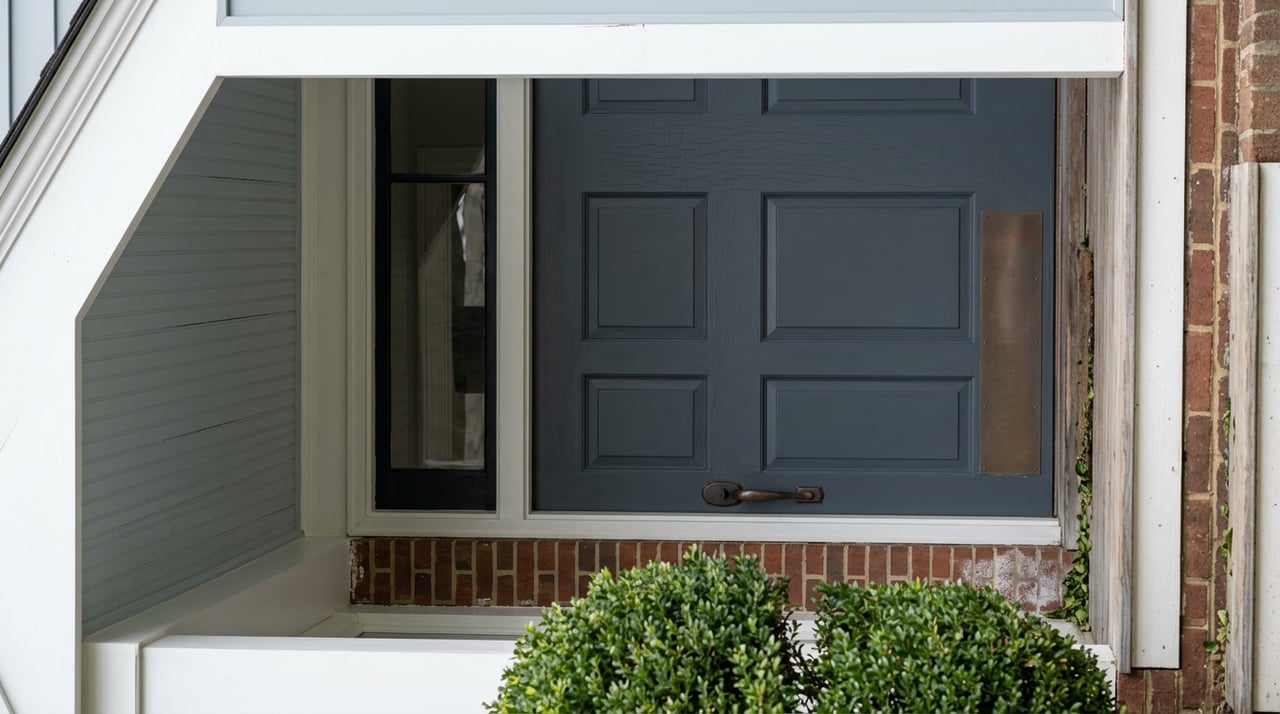
Franklin TN Historic District Renovation Rules & COA
September 10, 2026
September 10, 2026
Picture the buyer who just closed on a cottage on Fair Street in Hincheyville. Boxes are half unpacked. Before the first cold snap, she wants to replace a sagging porch rail and repaint the trim a color she's been eyeing on Pinterest for a year. She Googles "Franklin historic district renovation rules," lands on a guide that mentions Franklin's Historic District Design Guidelines, downloads the PDF, and starts planning. What she doesn't know is that the document she just found describes a review structure the city retired in January.
That's not a hypothetical edge case. It's the exact gap this post exists to close.
For years, if you wanted to know what you could and couldn't do to the outside of a historic Franklin property, you went looking for the city's Historic District Design Guidelines, a standalone document last substantively updated in 2022. Every buyer's guide, every contractor's blog post, every real estate team's explainer pointed there. Some still do.
On January 13, 2026, Franklin adopted an entirely new, comprehensive Zoning Ordinance under Ordinance 2025-25, and it restructured the city's land use rules from the ground up. Historic preservation didn't stay in its own separate booklet. It now lives inside Chapter 18, Historic Resources, sitting in the same ordinance as floodplain rules, parking requirements, and landscaping standards, with a dedicated Chapter 19, Review Bodies, spelling out who has authority to approve what.
That reorganization is worth sitting with for a second. The old Design Guidelines document opened by describing itself as guidance that informs the review process, and stated plainly that the guidelines themselves are "not regulatory." Historic review now sits inside the city's actual zoning ordinance, the same legal document that governs whether you can build a garage or subdivide a lot. If you're evaluating a historic property in 2026, the rulebook you should be checking isn't a design guidelines PDF from four years ago. It's the current zoning ordinance itself.
Franklin's historic fabric isn't one district, it's several, and which one your address falls into changes what review looks like. The city has five National Register historic districts: the Franklin Historic District, Hincheyville, Lewisburg Avenue, Adams Street, and Natchez Street, together accounting for more than 1,060 contributing buildings and structures. Separately, Franklin has designated seven local historic districts, which is the layer that actually triggers city review, since National Register listing alone doesn't restrict what an owner can do to their property.
This distinction trips people up constantly. A property can be listed on the National Register, which is largely a recognition of historical significance with no restrictions on private use, while sitting entirely outside any locally designated overlay that requires review. Conversely, a modest cottage with no National Register plaque might sit squarely inside the Historic Preservation Overlay and require a Certificate of Appropriateness for the same porch rail our Hincheyville buyer wants to replace. Before you write an offer on a character home downtown, the question isn't "is this historic." It's "which overlay is this parcel actually in."
Inside the Historic Preservation Overlay, the Historic Zoning Commission reviews exterior alterations in material or design, along with any proposed demolition, weighing changes against the city's zoning ordinance and the Secretary of the Interior's Standards for Rehabilitation. In practice, that means:
That middle category, administrative approval, is the detail most generic guides skip past. It's the difference between a repair that clears in days and one that has to wait for a monthly public meeting.
The Historic Zoning Commission is made up of nine citizen appointees representing architecture, history or historic preservation, the local planning commission, and the general community, all appointed by the mayor and approved by the Board of Mayor and Aldermen. The commission meets monthly to consider Certificate of Appropriateness applications.
Before filing a formal application, owners can request a preliminary meeting with preservation staff, or bring their plans to a Design Review Committee session for informal guidance from HZC members ahead of the official vote. If you're planning anything beyond a minor swap, that informal conversation is the cheapest insurance you can buy. The city's Preservation Planner, Emily Huffer, is the current point of contact for exterior work questions inside the overlay.
Here's the practical consequence of all of this: a monthly meeting schedule means a project that misses this month's application deadline doesn't slip by a few days, it slips by a full cycle. If you're a seller planning exterior improvements before listing, or a buyer negotiating a renovation contingency into your offer, that monthly cadence needs to be baked into your contract dates, not discovered after the fact.
This is exactly the kind of detail that changes how I'd structure a pre-listing project for a Franklin historic home. If a seller wants to use Compass Concierge to front the cost of exterior paint, a new porch, or window repair before going on market, that work still has to clear the same COA process as if the homeowner paid for it directly. Concierge can solve the cash flow problem. It can't shortcut a public meeting schedule. Building the renovation timeline around the HZC's monthly cycle, rather than around when the money becomes available, is what keeps a listing date realistic.
If you're buying in Hincheyville, Lewisburg Avenue, Adams Street, Natchez Street, or the core Franklin Historic District, the overlay status of the specific parcel, not the neighborhood's general reputation, is what determines your renovation runway. Two houses on the same block can carry different review requirements depending on which local historic district lines actually run through them.
If you're selling, the same logic cuts the other way. A pre-listing exterior refresh that would sail through in a non-overlay Franklin neighborhood may need a Certificate of Appropriateness first. Getting ahead of that, ideally with a preliminary conversation with preservation staff before a contractor is booked, protects both your timeline and your listing photos.
Does National Register listing mean my home is subject to city design review? Not by itself. National Register listing formally recognizes historic significance but places no restrictions on how a private owner uses, alters, or sells the property. It's local historic district designation, part of the Historic Preservation Overlay, that actually triggers Certificate of Appropriateness review.
Can I make any changes without going through the full Historic Zoning Commission? Yes. Preservation staff can administratively approve certain minor alterations that don't substantially change the exterior appearance, without a full commission vote.
Where do I find the current rules instead of an outdated PDF? Start with the City of Franklin's Historic Preservation program page and the current Zoning Ordinance itself, effective January 13, 2026, rather than a design guidelines document dated 2022.
The rulebook moved. The five historic districts, the nine-member commission, and the Certificate of Appropriateness process are all still there, just organized differently and carrying more legal weight than the document most guides still point to. If you're evaluating a historic Franklin property, or getting ready to list one, knowing where the current rules actually live is the difference between a smooth renovation and a surprise letter that puts your project on hold.
If you're weighing a historic Franklin home, whether you're buying one or getting ready to sell one, Suzy Mills Team can walk you through what a specific address's overlay status actually means for your timeline before you're under contract. Schedule a Free Home Consultation and let's talk through what your property, and your calendar, can actually handle.
Stay up to date on the latest real estate trends.

Get assistance in determining current property value, crafting a competitive offer, writing and negotiating a contract, and much more. Contact Suzy today.

Compass RE 106 E Main St. Franklin, TN 37064