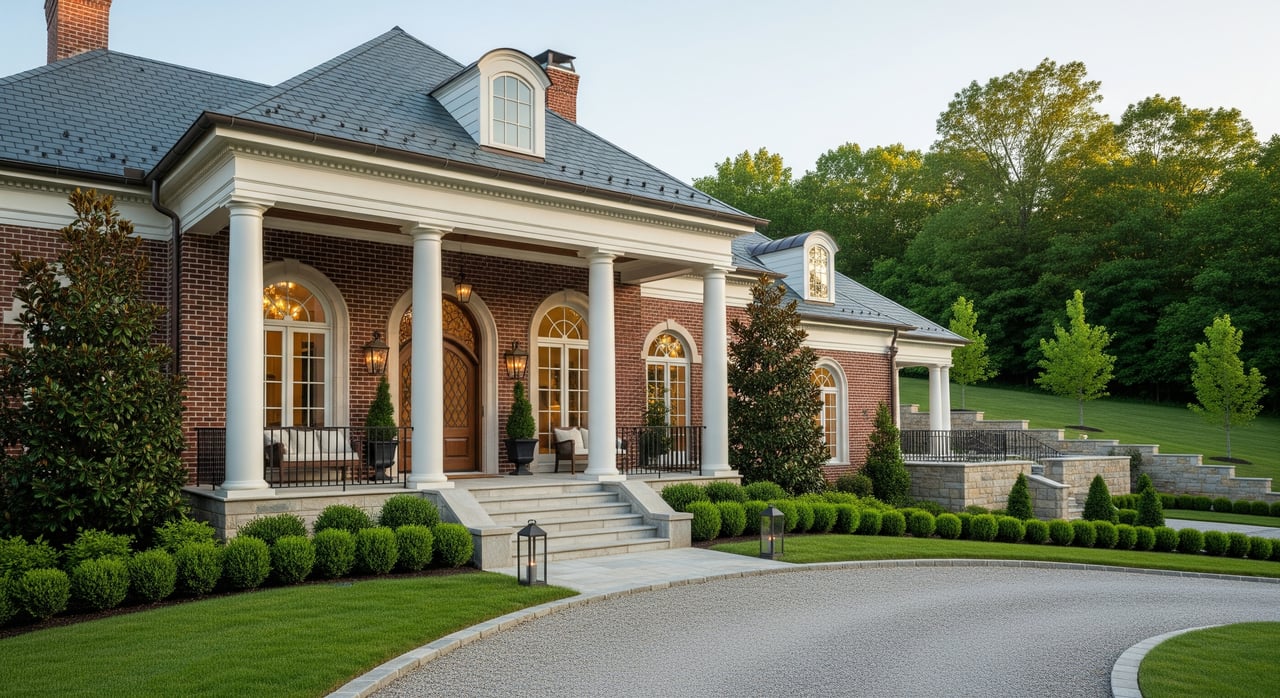
Jumbo Loans in Nashville TN: A Guide for Green Hills Buyers
December 18, 2025
December 18, 2025
Shopping in Green Hills and seeing price tags that soar past the typical mortgage range? You are not alone. Many homes here sit above the amount that Fannie Mae and Freddie Mac will buy, which means jumbo financing often comes into play. In this guide, you will learn how jumbo loans work in Davidson County, what lenders look for, how appraisals behave in a luxury neighborhood like Green Hills, how pricing and fees differ from conforming loans, and how to weigh cash versus financing. Let’s dive in.
A jumbo loan is a mortgage that is larger than the annual conforming loan limit that Fannie Mae and Freddie Mac will purchase. Because these loans fall outside conforming boundaries, lenders keep them on their own books or sell them to private investors. That means underwriting and pricing can vary more from lender to lender.
Davidson County generally follows the Federal Housing Finance Agency baseline limit rather than a high-cost limit. In practice, many Green Hills homes exceed that baseline, so jumbo financing is common. You will want to confirm the current year’s conforming limit to know whether your target price and down payment place you in jumbo territory.
Compared with conforming loans, jumbo programs often ask for stronger credit, larger down payments, and deeper documentation. Knowing what is typical helps you prepare and move quickly when the right home hits the market.
Most mainstream jumbo programs favor higher credit scores for the best pricing. A common range for competitive terms is in the 700 to 740 and above tier. Some lenders may accept mid 600s, but you should expect tighter terms and higher costs. Clean payment history and seasoned credit lines matter more at these loan sizes.
Down payments for jumbos are often larger. Many lenders expect at least 20 percent down on a purchase. Some offer lower down payment options through portfolio or non‑QM products, though they typically come with higher rates and stricter reserve rules.
Loan‑to‑value maximums for standard jumbo programs commonly cap around 80 to 90 percent. If you are above 80 percent LTV, underwriters may require substantial cash reserves to offset risk. Reserve expectations are usually larger with jumbos, often 6 to 12 months of principal, interest, taxes, and insurance on hand in verifiable accounts. Very large loan amounts or self‑employed profiles can push that higher.
Many jumbo programs look for a debt‑to‑income ratio at or below the mid 40s. Some lenders stretch higher with strong compensating factors, such as exceptional credit, significant liquid assets, or a large down payment. Because overlays vary, it pays to compare options.
You will document income, employment, and assets in more detail. For W‑2 wage earners, expect two years of W‑2s, recent pay stubs, and employer verification. For self‑employed or 1099 earners, underwriters often request two years of tax returns, a current profit and loss statement, and bank statements. Some lenders offer bank‑statement jumbo programs that assess cash flow as an alternative, though costs and requirements differ.
Asset verification is thorough. You will provide recent statements for checking, savings, retirement, and brokerage accounts. If you are using gift funds, a formal gift letter and paper trail are standard. Be prepared to explain large deposits and recent credit inquiries.
Source‑of‑funds tracing is a priority with jumbo underwriting. Lenders will ask for explanation letters if anything in your file is unusual. Portfolio and non‑QM programs sometimes allow different documentation paths, but they price and underwrite on a case‑by‑case basis.
Appraisals are a key hurdle in Green Hills. Because the area mixes mid‑century ranches, renovated older homes, and new luxury construction, truly comparable sales can be scarce. When comps are thin or property features are unique, value opinions can vary.
Lenders require a full appraisal for jumbos and may require a second appraisal or a review for larger loans. In a fast‑moving luxury segment, there is a real possibility that an appraisal comes in below contract price. That creates an appraisal gap that you will need to cover with additional cash or a renegotiated price.
Jumbo pricing does not move in lockstep with conforming loans. Since lenders and private investors hold the risk, rates and terms reflect each institution’s appetite and the overall market.
Historically, jumbo rates often carry a small premium relative to conforming loans, although at times the spread narrows or even flips. The difference changes with investor demand, overall rate trends, loan size, credit profile, and whether you choose a fixed rate or an adjustable rate. The practical takeaway is simple. Get written quotes from several sources so you can compare the full picture.
You will see the same categories of third‑party costs as a conforming loan, such as title, escrow, and recording. Expect higher appraisal fees for luxury properties and, in some cases, added underwriting or review fees associated with jumbo documentation. Standard private mortgage insurance is generally not part of jumbo programs. Lenders rely on larger down payments and reserves to manage risk.
Your choice depends on how long you plan to own the home, your cash flow goals, and your risk comfort.
Luxury listings can attract all‑cash offers. That reality shapes strategy.
Most Green Hills buyers decide based on available cash, comfort with leverage, expected holding period, and how competitive the listing will be. If you plan to finance, a strong jumbo pre‑approval positions you well against cash offers by demonstrating capacity, reserves, and speed.
Green Hills rewards preparation. The right plan brings together a strong jumbo pre‑approval, an understanding of appraisal dynamics, and a clear view of your cash position. You also benefit from a neighborhood‑specific strategy around pricing and offer structure. Thoughtful guidance helps you stay confident when you are competing with cash or navigating a unique property.
If you are considering a move in Green Hills or nearby Davidson and Williamson County neighborhoods, let us help you align the financing with the home and the lifestyle you want. Reach out to discuss your goals, review a targeted plan, and see current opportunities.
Ready to take the next step? Schedule your consultation with Suzy Sells TN.
Stay up to date on the latest real estate trends.


Get assistance in determining current property value, crafting a competitive offer, writing and negotiating a contract, and much more. Contact Suzy today.

Compass RE 106 E Main St. Franklin, TN 37064