
How to Price Your Luxury Home in Brentwood, TN
January 15, 2026
January 15, 2026
Pricing a one-of-a-kind Brentwood estate is not like pricing a typical home. You are balancing privacy, acreage, architecture, and a selective buyer pool. If you want a list price that invites serious offers and protects your net proceeds, you need a clear, local framework. This guide gives you that framework, tailored to Brentwood and Williamson County, so you can price with confidence and negotiate from strength. Let’s dive in.
In Brentwood, “luxury” is defined by the local market. Professionals often identify the top 5 to 15 percent of recent sales by price in the immediate area using local MLS reports, public records, and Realtor association research. That upper band captures custom estates, larger lots, and homes with high-end design and amenities.
Luxury pricing here is different for three reasons. First, there are fewer true comparables, so the range of value is wider and qualitative adjustments matter more. Second, the marginal value of upgrades is not linear. Some features add significant value while others add little. Third, the buyer pool is smaller and more selective, which means marketing and exposure are as important as the math.
Start by narrowing your market area to similar locations in Brentwood and nearby Williamson County. Think estate-lot neighborhoods and country properties with comparable access to services and commute corridors. Identify recent closed sales that represent the top segment of that area. This is your luxury band.
Rank potential comparables by what drives value: location and lot first, then architectural quality and age, then size and utility, followed by amenities and sale date. Use closed sales as your foundation. Review active, pending, and even withdrawn listings to spot market signals such as resistance to certain prices or strong buyer interest.
When you can, use paired-sales to quantify how a single feature affects price. If that is not possible, use cost-to-replace for functional or finish differences, and land-residual or income-informed methods for acreage-heavy properties. Percentage adjustments can work when supported by local evidence. Document the rationale for each adjustment. Luxury buyers and their agents will ask to see it.
Create a weighted range, not just a single number. Show low, likely, and high pricing scenarios based on comps and current conditions. Test sensitivities, such as how tighter financing or seasonality could affect offers or days on market. A corridor helps you choose a list price that fits your goals and timing.
Focus on usable acreage, privacy, topography, frontage, easements, and development potential. When multiple sales show similar land components, a per-acre analysis can be useful. If structures dominate the value, consider a land-residual approach where you estimate building value and back into land value. In Brentwood, closer-in parcels often command higher per-acre value, while steep slopes or conservation easements can reduce marketability despite lot size.
Architect reputation, a true custom plan, ceiling heights, and the overall design story can command a premium. Use a simple scoring rubric to compare design quality and finish level across comps. When paired-sales are limited, lean on a cost approach for distinctive elements. Document the architect, original plans, structural upgrades, and permits to support your case.
High-caliber systems and materials matter, but not all specialty finishes resonate with the broader buyer pool. Look for evidence of recognized value drivers such as kitchens, baths, mechanical systems, and millwork. If you completed recent custom work, itemize costs, depreciation, and permits to support premiums.
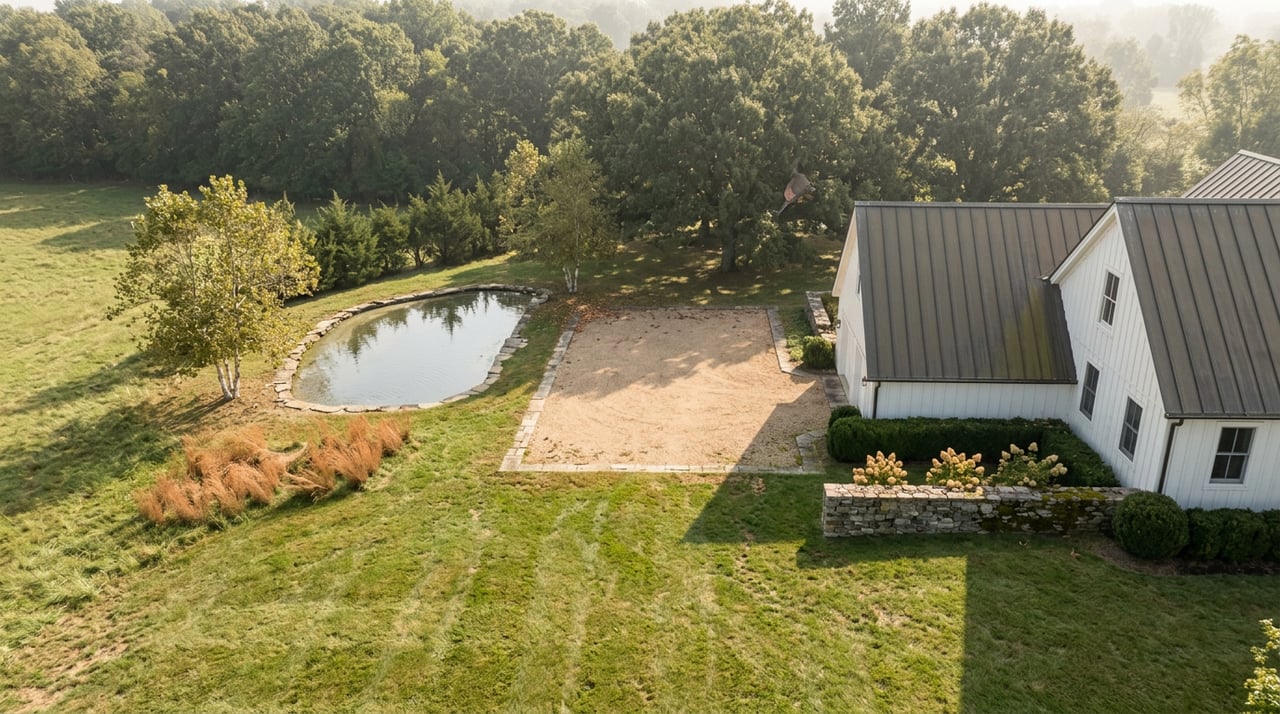
Guest houses, pools, equestrian facilities, and wellness spaces can be strong differentiators. Use paired-sales where a single amenity differs to avoid over-crediting features. In Brentwood’s semi-rural pockets, equestrian-ready setups and significant outbuildings can draw specific buyers. Confirm zoning and permitting to remove uncertainty and support value.
Neighborhood identity, assigned school zoning, commute access, and view corridors all affect price. Use comparables that isolate location or view differences. If a view or privacy setting is truly rare, support any premium with evidence from similar properties rather than broad assumptions.
Primary suites, secondary living spaces, ceiling height, elevator access, and entertainment flow contribute to perceived value. For limitations, consider a cost-to-cure estimate or qualitative comparison against recent sales. Translate utility strengths and weaknesses into clear dollar or percentage differences that your pricing memo can defend.
If you want help coordinating and funding improvements that can increase your sale price, you can use a program like Compass Concierge through your listing agent. This approach fronts project costs and helps you present a move-in-ready feel without disrupting your cash flow.
Your price should match the intended buyer pool. If your ideal buyer is relocating, plan for broader exposure and longer lead times. Use professional photography, video, and drone work to highlight acreage and setting. Target outreach to networks that reach luxury buyers and coordinate broker tours and curated open houses to maximize early momentum.
A thoughtful, evidence-based approach helps you set a price that feels right to buyers and defensible in negotiation. If you want guidance tailored to your property, reach out and let’s map your price corridor and pre-list plan together. Connect with me at Suzy Sells TN to get started.
Stay up to date on the latest real estate trends.
Get assistance in determining current property value, crafting a competitive offer, writing and negotiating a contract, and much more. Contact Suzy today.
Compass RE 106 E Main St. Franklin, TN 37064