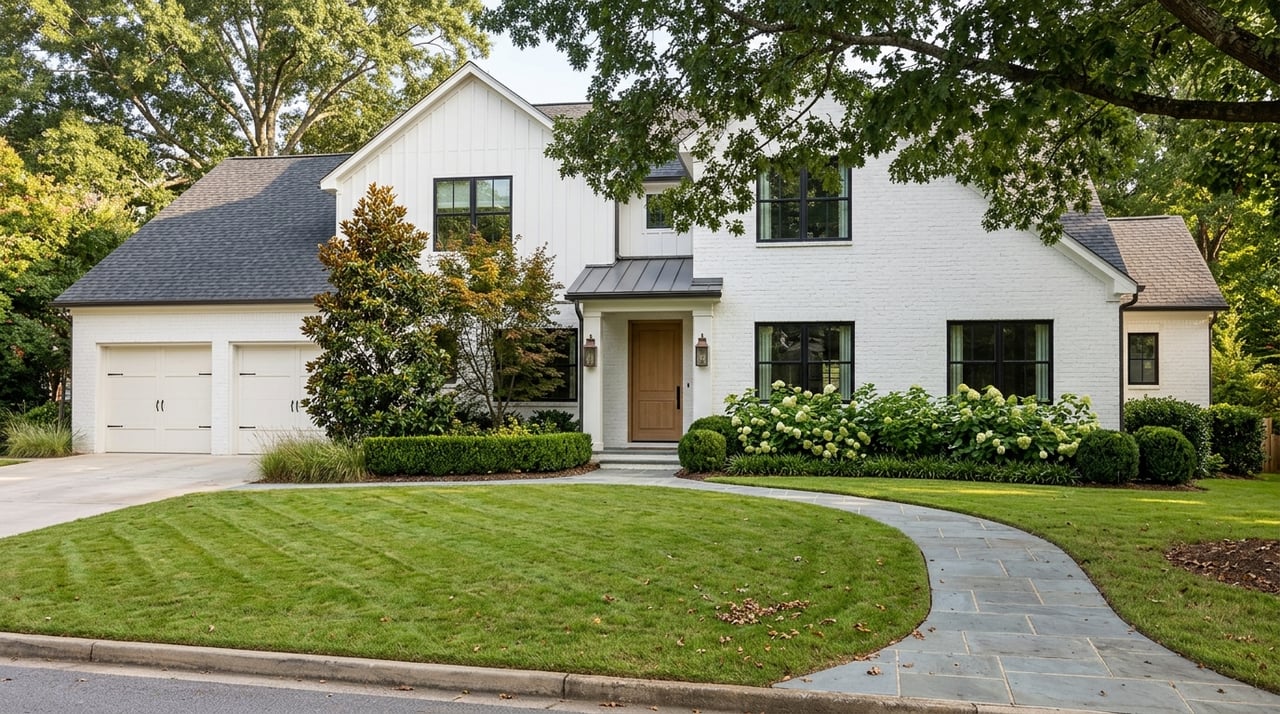
Franklin TN Neighborhood Comparison: Newer or Established?
July 16, 2026
July 16, 2026
If you are deciding between a newer community and an established neighborhood in Franklin, you are not just comparing home ages. You are really comparing daily lifestyle, design rules, lot patterns, and the kind of setting that feels right for you. In a market where homes are high-priced and activity can still move quickly, making the right neighborhood choice matters. Let’s dive in.
Franklin is not a one-note market. The city includes historic resources tied to its original 16-block town plat, along with late-19th-century and early-to-mid-20th-century neighborhoods, plus multiple historic districts.
At the same time, Franklin continues to add residential development. The city’s 2024 Development Report lists active or permitted projects such as Berry Farms Town Center, Westhaven, Lockwood Glen, and other newer subdivisions, which shows that new-community living remains a meaningful part of the local housing landscape.
That mix gives you real options. You can focus on a more planned, amenity-rich setting, or you can look for a neighborhood with a longer-established street pattern and older housing stock.
Newer communities in Franklin often appeal to buyers who want a more structured neighborhood experience. In many cases, these communities are planned around amenities, coordinated design, and a mix of home types from the start.
Westhaven is a strong example. It describes itself as a long-term master-planned community with elevated design standards and a lifestyle-centered amenity package, and its homesite mix includes everything from townhomes and cottages to larger estates and custom homesites.
Berry Farms shows a similar approach with a different housing mix. Its master plan says the community is designed to echo historic Franklin, and its residential options range from condo flats in the Town Center to custom-built homes with classic Federal-style architecture.
One of the biggest benefits of a newer community is predictability. Streetscapes, architectural style, and neighborhood planning are often more cohesive, which can make it easier to picture what your surroundings will look like over time.
You may also find practical advantages in newer homes and infrastructure. Buyers often like the idea of newer systems, a more turnkey condition, and amenities that are already built into the community experience.
That predictability usually comes with more formal oversight. In Berry Farms, for example, architectural and landscape plans go through review stages with the Town Architect, and deviations can lead to required corrections or fines.
For you, that means exterior changes may involve more process than you expect. If you love a highly coordinated neighborhood look, that can feel like a benefit. If you want maximum flexibility to change the outside of your home, it may feel more limiting.
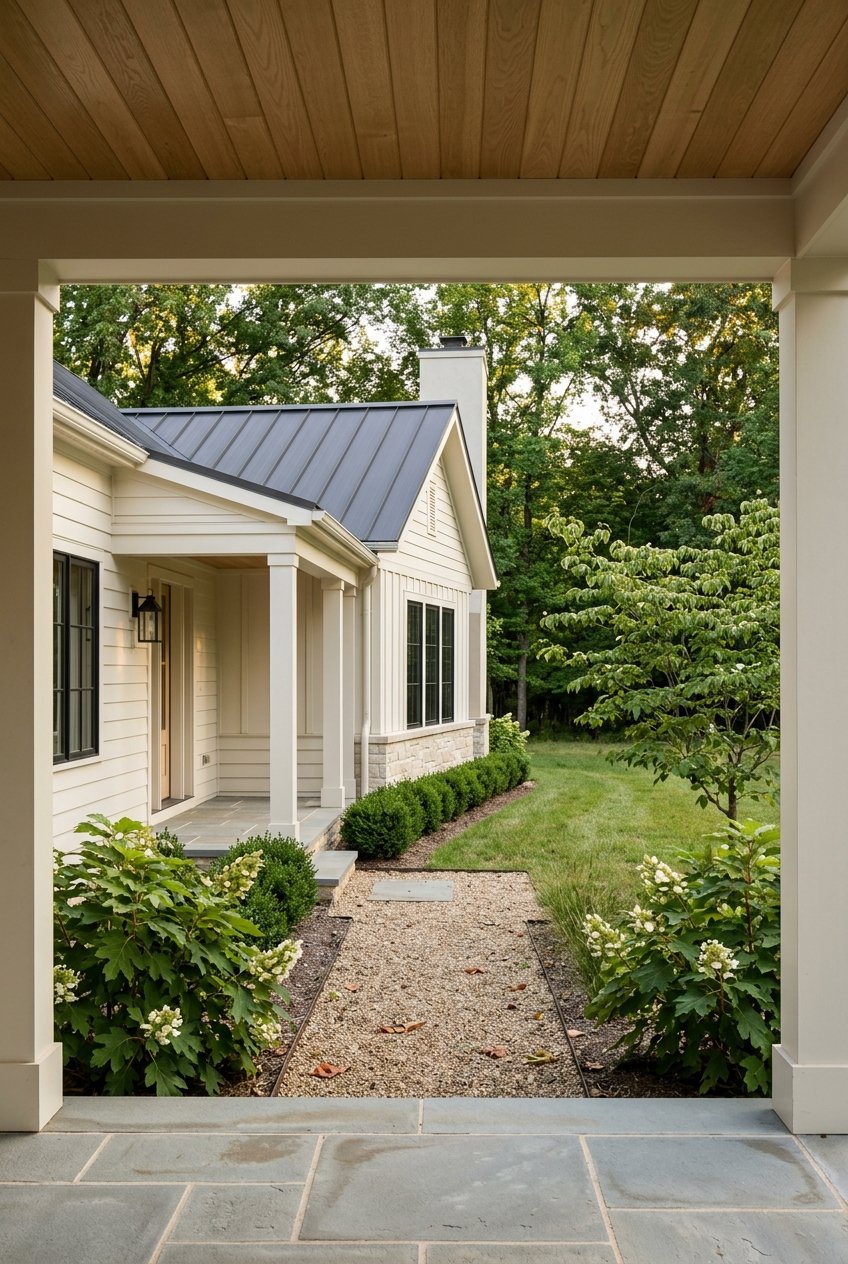
Established neighborhoods in Franklin tend to deliver a different kind of appeal. Instead of a neighborhood being shaped all at once, these areas often reflect decades of growth, changing styles, and a more varied street-by-street character.
The city’s preservation framework plays a big role here. Franklin says its historic resources include older neighborhoods and districts such as Hincheyville and Adams Street, which helps explain why some established areas feel especially tied to the city’s history.
One of the main draws of an established neighborhood is character. You may see more variation in home style, lot layout, and streetscape from one block to the next than you would in a newer planned community.
That does not mean every established neighborhood looks the same or functions the same. In Franklin, some older areas fall within historic districts, while others sit under standard residential zoning, so the feel and rules can differ significantly depending on the exact location.
If a home is in the Historic Preservation Overlay District, new construction, additions, and many exterior changes may require review through a Certificate of Appropriateness. The Historic Zoning Commission considers items like lot size, setbacks, height, scale, massing, and related site features for compatibility.
That is important if you are thinking about renovations or additions. A historic setting can offer strong visual identity, but it may also involve more oversight for exterior work than buyers first assume.
Many buyers assume established neighborhoods always mean smaller lots or that newer communities always mean larger ones. In Franklin, that is not a safe shortcut.
The city’s zoning ordinance shows a wide range of residential lot standards. Estate residential minimums can be 2 acres, R1 minimums are 30,000 square feet, R3 minimums are 9,000 square feet, and some R4 lots can be as small as 6,500 square feet based on the average of the block face.
The takeaway is simple: if lot size matters to you, compare the actual plat and zoning context of the property. The age of the home alone will not tell you enough.
In Franklin, the resale conversation often comes down to how well the neighborhood matches buyer priorities. A newer community may attract buyers who want turnkey condition, amenities, and a cohesive look, while an established neighborhood may attract buyers who care more about lot character, location, and historic identity.
Neither option is automatically better. The stronger choice is the one that lines up with how you want to live now and what kinds of features future buyers may value in that setting.
Franklin’s current market also adds pressure to make a smart choice. Zillow reports an average Franklin home value of $916,079 with homes going pending in about 16 days, while Redfin reports a median sale price of $849,492 over the last three months and about 52 days on market. Those numbers use different methods, but both point to a high-priced and fairly active market.
Before you fall in love with a specific home, it helps to ask a few practical questions about the neighborhood itself.
If you like to personalize a property, ask what approvals are required for fences, additions, landscaping, paint changes, or other exterior work. A newer master-planned community may have its own review structure, while a historic area may involve city-level review.
In a newer community, future phases and planned buildout can affect your experience. In an established neighborhood, the key question may be whether nearby homes are likely to be renovated, expanded, or reviewed under preservation standards.
Do not rely on listing photos alone. Review the lot dimensions, zoning context, and surrounding pattern so you understand how much outdoor space you are really getting and how that compares with neighboring properties.
If school assignment is part of your search, verify it carefully. The Franklin Special School District says its boundaries do not cover all of Franklin, and Williamson County Schools says attendance depends on district residence and separate school-zone rules.
That means you should confirm the specific address rather than assuming a neighborhood follows one school path. This is especially important when you are comparing multiple parts of Franklin.
A newer community may be the right fit if you want a more polished, planned environment with coordinated design and built-in amenities. It can also be appealing if you value a more turnkey home and a neighborhood experience that feels consistent from block to block.
An established neighborhood may fit better if you want more variation, historic texture, or a setting that feels more rooted in Franklin’s long development story. It may also suit you if you are drawn to older homes, mature streetscapes, or less formulaic neighborhood patterns.
The key is to look past labels. “Newer” and “established” tell you something, but they do not tell you everything about design controls, renovation limits, lot size, or long-term resale appeal.
If you want help comparing neighborhoods in Franklin, I can help you narrow the options based on how you actually live, what kind of home you want, and what trade-offs matter most. When you are ready, connect with Suzy Sells TN for thoughtful, local guidance.
Stay up to date on the latest real estate trends.

Get assistance in determining current property value, crafting a competitive offer, writing and negotiating a contract, and much more. Contact Suzy today.
Compass RE 106 E Main St. Franklin, TN 37064