Relocating to Nashville Suburbs: Which One Fits Best
May 28, 2026
May 28, 2026
Thinking about a move to Nashville, but not sure whether you want city convenience, a polished suburb, or more land and breathing room? You are not alone. For many relocation buyers, the hardest part is not deciding whether to move, but figuring out which area actually fits your budget, routine, and lifestyle. This guide breaks down how Nashville, Franklin, Brentwood, and College Grove compare so you can narrow your search with more confidence. Let’s dive in.
If you are relocating to the Nashville area, you will quickly notice that these four markets do not compete on the same terms. They offer different price points, housing patterns, commute expectations, and day-to-day feel.
At a high level, Nashville gives you the broadest mix of housing types and the lowest median sale price in this group. Franklin sits in a middle tier with historic character and preservation-minded growth. Brentwood trends toward larger-lot, single-family living at a much higher price point. College Grove leans most rural, with more land and a lower-density setting.
Price is usually the first filter, and here the differences are clear. In March 2026, Nashville’s median sale price was $470,000. Franklin came in at $826,900, Brentwood at $1,610,375, and the 37046 ZIP code that includes College Grove at $1,301,398.
That creates a noticeable price ladder. Nashville is the most accessible entry point of the four, Franklin moves into the mid-to-upper suburban range, and Brentwood and College Grove sit in significantly higher bands.
Days on market also varied. Nashville had a median of 98 days on market, Franklin 65 days, Brentwood 92 days, and College Grove 94 days. That does not tell the whole story for every home, but it does suggest that each market has its own pace and buyer pool.
Commute is one of the biggest trade-offs for relocation buyers. County-level Census data shows a mean one-way travel time to work of 24.7 minutes in Davidson County and 27.9 minutes in Williamson County.
That gap is not dramatic, but it does support a common pattern. If you choose a Williamson County suburb, you may gain more space or a different neighborhood setting, but you will often accept a bit more drive time on average.
Nashville’s own directions page routes drivers from Brentwood, Cool Springs, Franklin, and Columbia to Midtown via I-65 North to I-440 West. That gives you a practical sense of how many suburb-to-city commutes are structured.
College Grove stands apart a bit more. Its village plan describes a road network centered on one arterial road plus local and collector roads, with an emphasis on protecting local roads from excessive traffic growth. College Grove Elementary also describes the community as about 30 minutes south of Nashville, which reinforces its more rural orientation.
School structure changes quite a bit depending on where you land. In Nashville, Metro Nashville Public Schools serves about 81,000 students across 160 schools and offers International Baccalaureate, Advanced Placement, Early College, Cambridge International, and magnet programs.
MNPS also states that its Academies of Nashville operate in 12 zoned high schools. The district accepts optional school applications for participating schools with available seats, which can add flexibility for some households.
In Williamson County, the setup is different. Williamson County Schools serves about 42,000 students in 52 schools, and the district reports that the class of 2025 posted an ACT composite score of 25.3 compared with Tennessee’s 19.3 average.
Within Franklin, Franklin Special District serves pre-K through 8th grade in eight schools inside the city. According to its FAQ, students then move into Williamson County high schools, most often Franklin High or Centennial High depending on where they live.
College Grove Elementary is part of Williamson County Schools and is located in the southeastern part of the county. It is also important to know that Williamson County Schools notes school zones can change when buildings reach capacity or when new schools open, so address-specific confirmation matters before you buy.
Nashville tends to offer the widest housing mix in this comparison. The city’s planning materials describe neighborhoods that support connectivity, walkability, and an appropriate mix of uses and housing types.
For you as a buyer, that often translates into more infill choices and more variety overall. You may find apartments, condos, duplexes, townhomes, and detached homes, along with older properties and a broader spread of neighborhood formats.
If your priorities are flexibility, access to a wider range of home types, or a lower median price than the suburbs discussed here, Nashville may be the strongest fit. It can be especially appealing if you want more options instead of one dominant suburban pattern.
Franklin offers a very different feel. Official city materials emphasize its 15-block historic downtown, Victorian architecture, renovated historic buildings, and neighborhoods shaped in the late 19th and early-to-mid 20th centuries.
The city’s growth plan also highlights Rural Reserve, Neighborhood Green, and Village Green concepts that aim to preserve at least 50% open space in large contiguous tracts. In practical terms, that points to a market where you can see both historic charm and preservation-minded planning.
For relocation buyers, Franklin often strikes a balance. It sits above Nashville in price, but below Brentwood and College Grove in this comparison. If you want suburban structure with a strong sense of place, Franklin is often where that balance feels most tangible.
Brentwood is more defined in its land use. The city describes itself as a premier residential and office community, and says 90% of its zoning is residential.
Its zoning guide notes that R-2 suburban residential districts are characterized by detached single-family homes on minimum one-acre lots. Open Space Residential Development standards allow more creative layouts, but only when open space offsets density back to one dwelling unit per acre.
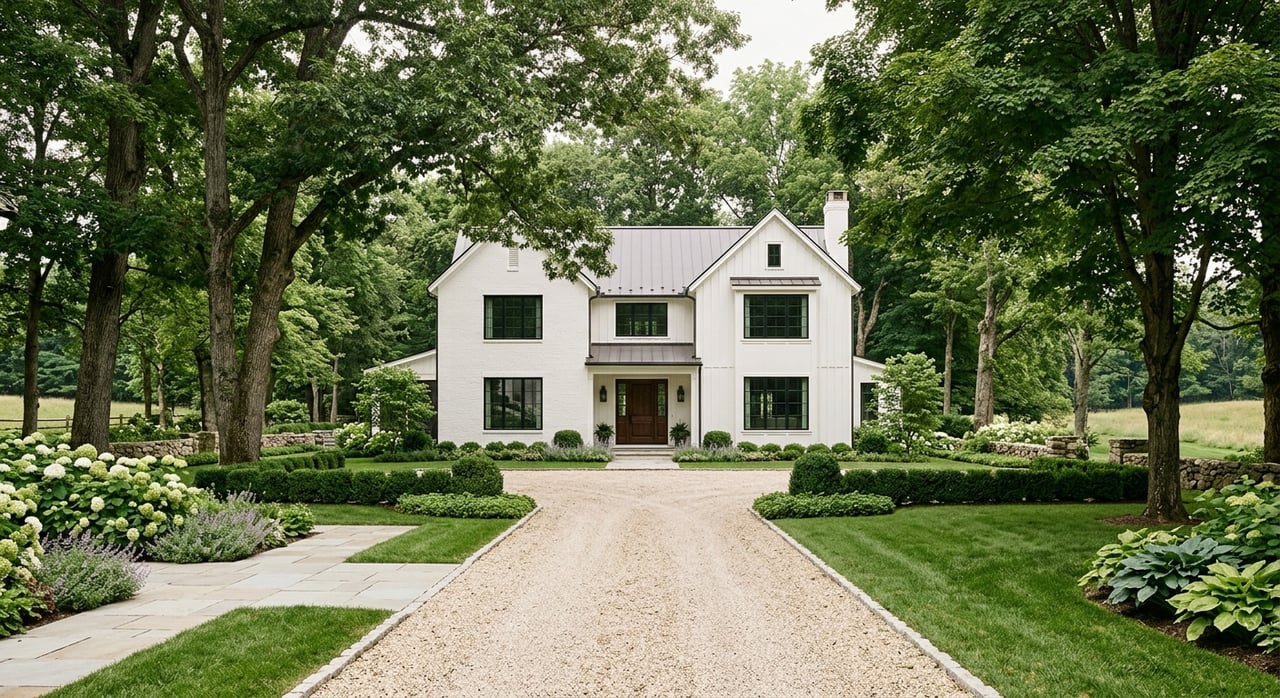
What that means for you is fairly straightforward. Brentwood generally reads as a larger-lot, upscale suburban market with a strong single-family emphasis. If that is the setting you want, Brentwood offers a clear identity, but it also comes with the highest median sale price in this group.
College Grove is the most rural option in this comparison. Its village plan says the community should remain primarily residential, preserve its rural atmosphere and small-town charm, and use 5-acre minimum residential lots.
The same plan says business growth should be limited and that big-box or chain development should be avoided. Its land-use inventory shows single-family residential as the largest land use by parcel count, while agriculture accounts for 40.6% of the acreage.
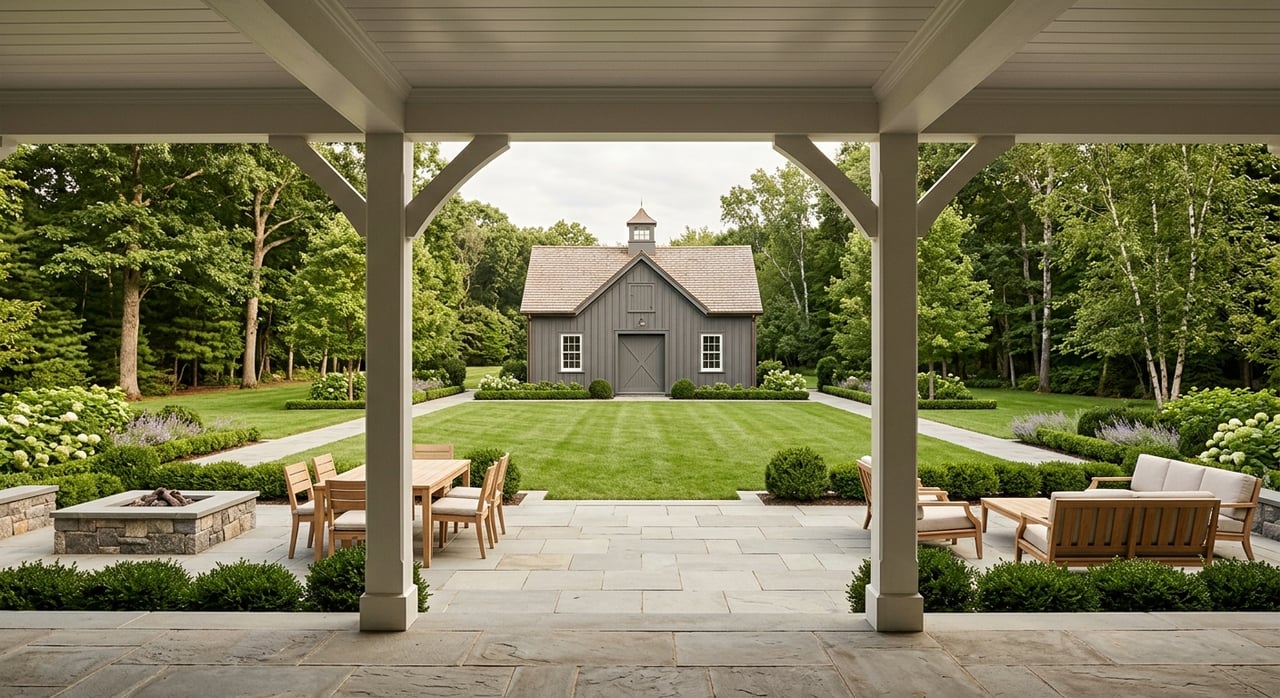
For you, that points to a lower-density environment with more land and a quieter, more car-dependent pattern of living. If your dream is estate-style space rather than proximity to a denser retail and road network, College Grove may stand out.
The right choice usually comes down to which trade-off feels easiest for you to live with every day. Most relocation buyers are balancing three things at once: budget, commute, and the type of home environment they want.
If price and housing variety matter most, Nashville often gives you the broadest choice set. If you want a suburban setting with historic character and preservation-minded growth, Franklin may feel like the sweet spot. If you prefer a higher-price single-family suburb with one-acre lot standards, Brentwood is a strong match. If you want more land and a rural setting, College Grove moves furthest in that direction.
A helpful way to compare your options is to ask yourself:
Relocating well is not just about finding a house. It is about choosing the version of daily life that fits you best once the boxes are unpacked.
That is why comparing Nashville, Franklin, Brentwood, and College Grove side by side can be so useful. Each area offers something distinct, and the best fit is rarely the one with the most buzz. It is the one that aligns with your budget, your routine, and the kind of home environment you want to come back to every day.
If you are planning a move and want help narrowing the right area for your goals, Suzy Sells TN can help you compare neighborhoods, price points, and lifestyle trade-offs with calm, local guidance.
Stay up to date on the latest real estate trends.
Get assistance in determining current property value, crafting a competitive offer, writing and negotiating a contract, and much more. Contact Suzy today.
Compass RE 106 E Main St. Franklin, TN 37064