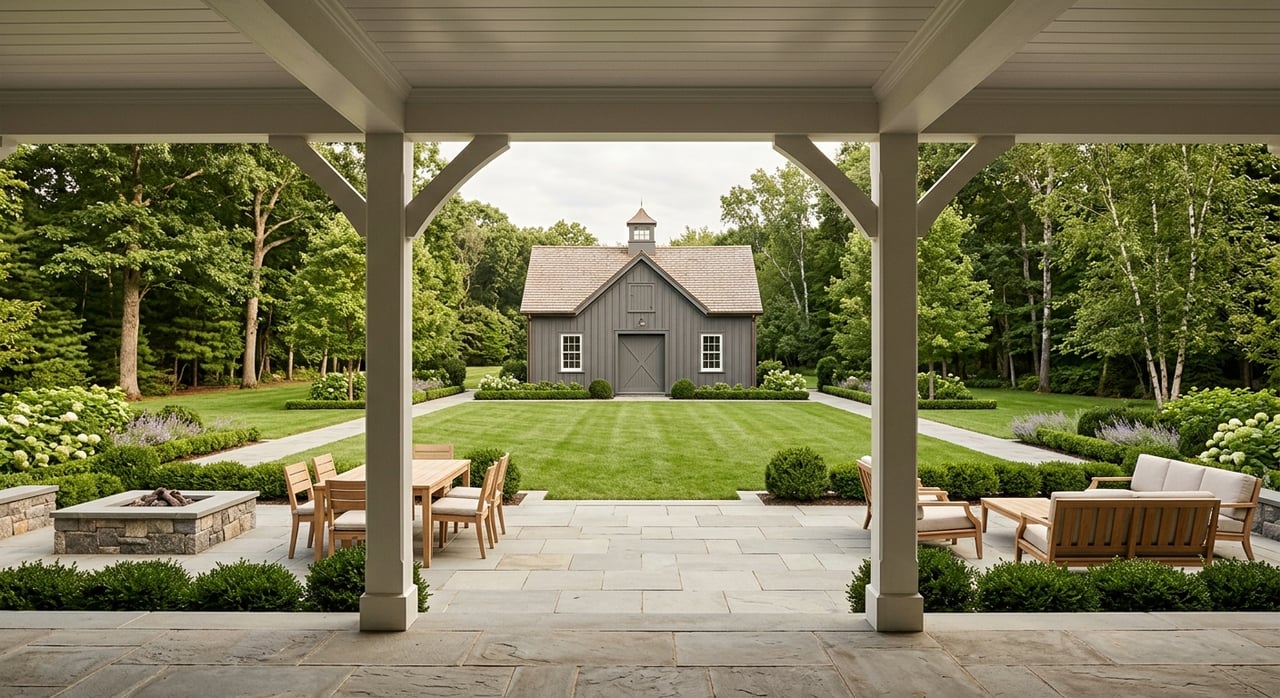
Preparing to Sell Your Home in Leipers Fork
April 16, 2026
April 16, 2026
If you are getting ready to sell in Leiper’s Fork, one thing matters right away: buyers are not just evaluating your house, they are evaluating the entire setting. In a market where presentation and pricing discipline matter, your driveway, land, outbuildings, systems, and story all shape how quickly buyers connect with the property. The good news is that you do not need to over-remodel to make a strong impression. With the right preparation, you can highlight what makes your property feel true to place. Let’s dive in.
Leiper’s Fork is not a one-size-fits-all market. According to the Williamson County Leiper’s Fork Village Special Area Plan, the area is defined by a mix of agriculture, residential use, open space, and historic preservation. That means buyers often pay close attention to how a home fits its land and how well the property reflects the area’s rural character.
Current market data also points to the value of careful preparation. Realtor.com’s Williamson County market data reported a February 2026 median listing price of $1.1 million and a median 54 days on market, while Redfin reported a lower median sale price and longer marketing time for the same month. These figures are measured differently, but together they suggest a market where thoughtful presentation can make a real difference.
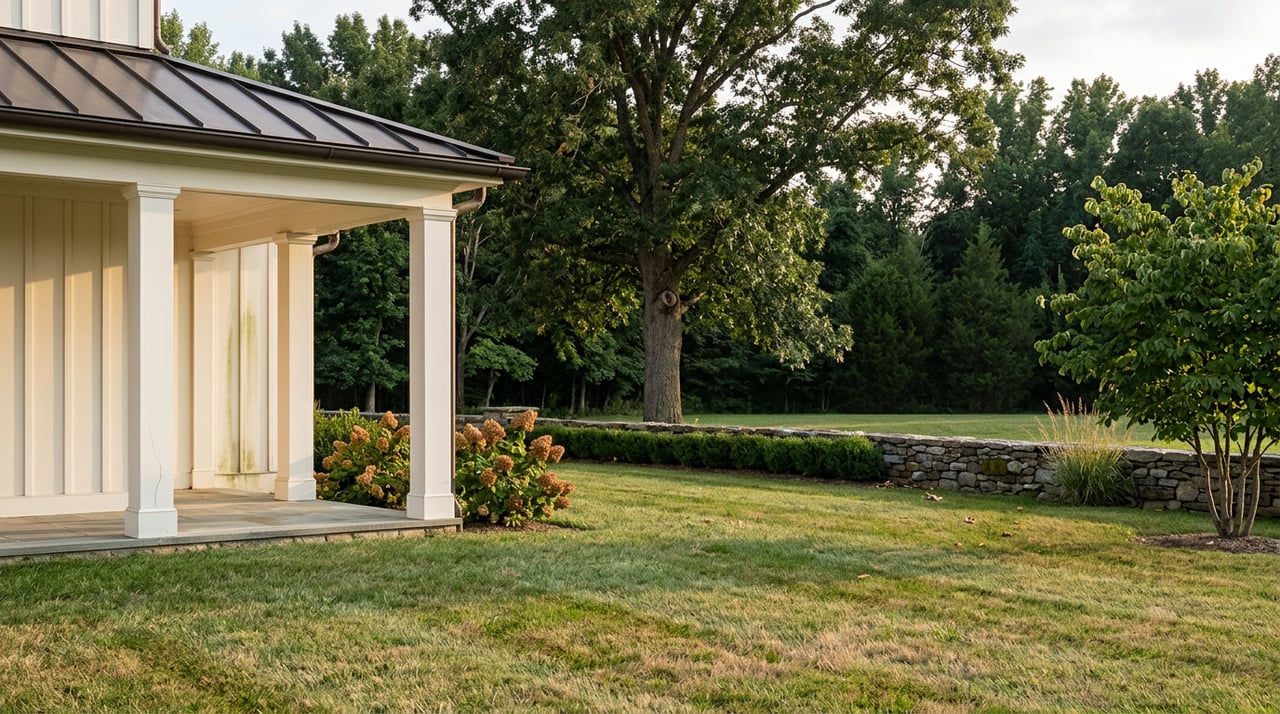
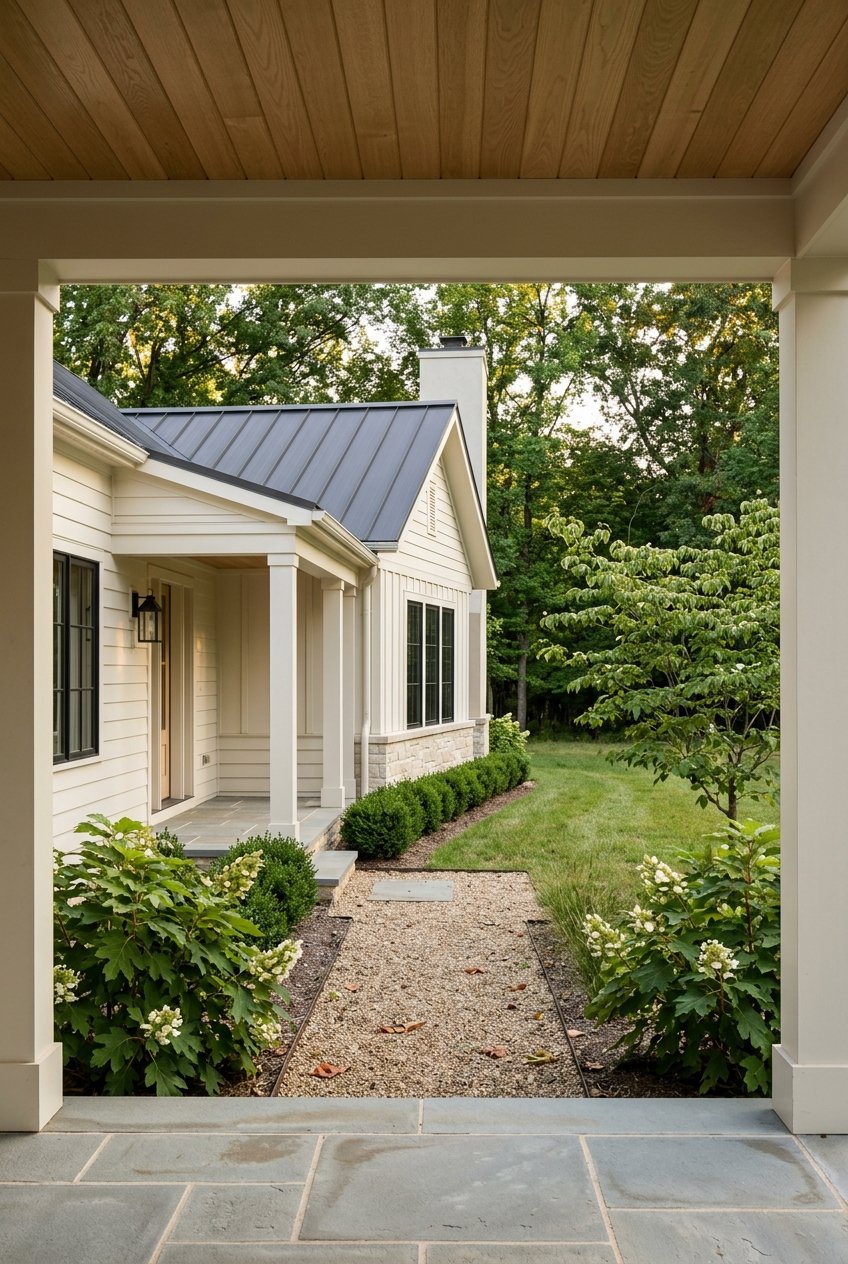
Before a buyer notices your kitchen or primary suite, they notice how the property feels as they arrive. In Leiper’s Fork, that first impression often starts at the road, the gate, the driveway, and the wider setting.
Focus on the features buyers can see immediately:
This approach aligns with the area’s emphasis on open space, preserved character, and a setting that feels cared for. Even if your home is beautifully updated inside, a neglected exterior can make buyers wonder what else has been deferred.
With acreage properties, confusion can cost you interest. Buyers want to know what the land actually offers, and they want to understand it quickly.
Your listing preparation should clarify details like:
The county plan encourages preservation of open space and agricultural uses in and around the village, so the land itself is often a central part of the value story. If buyers cannot tell how the property lives day to day, they may hesitate.
If you are selling an older cottage or historic structure, resist the urge to strip away the very details that make it appealing. In Leiper’s Fork, restored character often carries more weight than generic modernization.
The county plan makes clear that preservation of historic resources is central to the area’s identity. That does not mean you should ignore needed repairs. It means your preparation should support the home’s existing architectural fabric rather than cover it up.
A few smart priorities include:
Buyers are often drawn to homes that feel authentic, clean, and well maintained. In this setting, authenticity can be more powerful than a flashy remodel.
For rural and semi-rural properties, documentation matters. Tennessee’s Residential Property Disclosure Act guidance says most sellers must disclose information such as the property address, age, amenities, known defects, environmental hazards, flood or drainage issues, encroachments, and unpermitted work.
That same state guidance notes that many rural areas do not have full codes departments, which makes records especially important. If your home has additions, improvements, or repaired systems, it helps to organize all supporting paperwork before the home goes live.
Create one clear file with:
This kind of preparation builds trust and can make the due diligence period feel smoother for everyone.
In Leiper’s Fork, utility systems often matter more than they would in a more urban setting. Buyers may ask detailed questions, and having answers ready can help your listing stand out.
For private wells, TDEC guidance says owners are responsible for testing and ongoing maintenance, and the department recommends annual bacteria testing. The same guidance notes that the driller’s report can be valuable to future owners.
For septic systems, Tennessee requires permits to install, alter, extend, or repair a subsurface sewage disposal system. State health guidance says systems should generally be inspected every three years and pumped every three to five years, and Williamson County is listed as a contract county for septic services under state environmental health guidance.
This is especially important because the Leiper’s Fork village plan notes that traditional septic systems are currently the only wastewater treatment and disposal option in the village. Before listing, try to have these details ready:
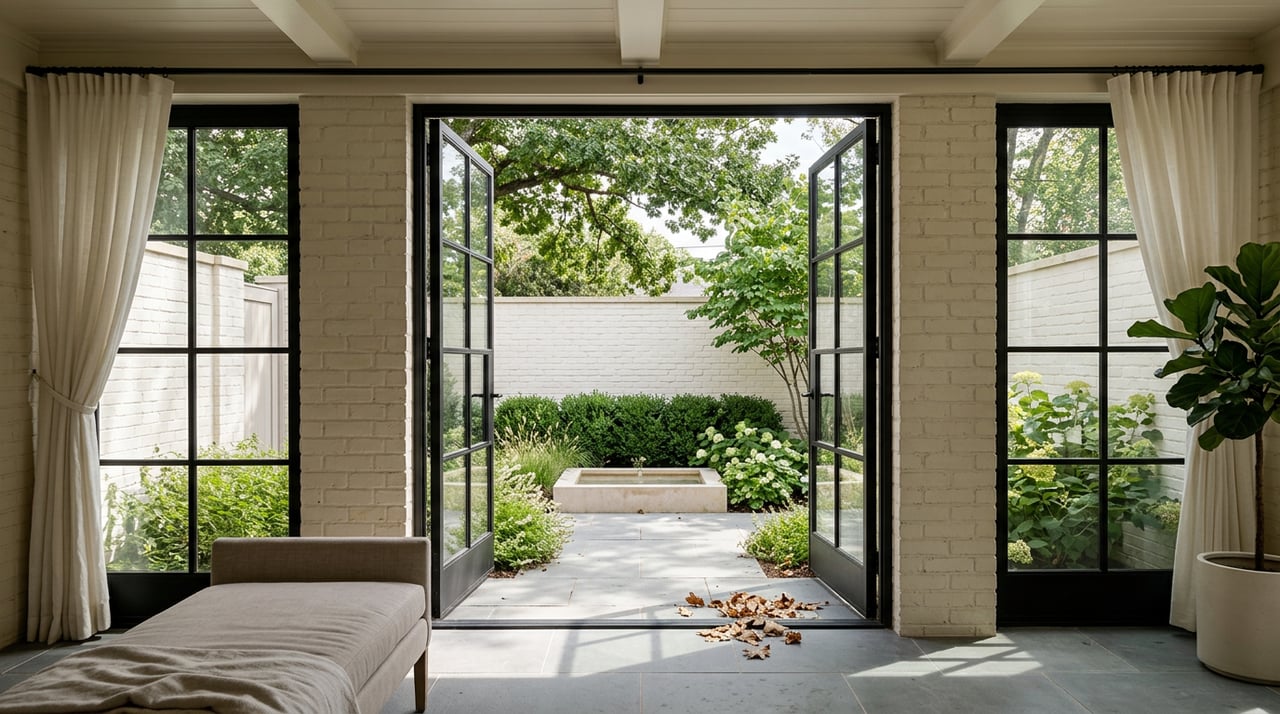
Even for acreage homes and cottages, interiors still shape the emotional connection. You want buyers to picture daily life there, not just admire the setting from outside.
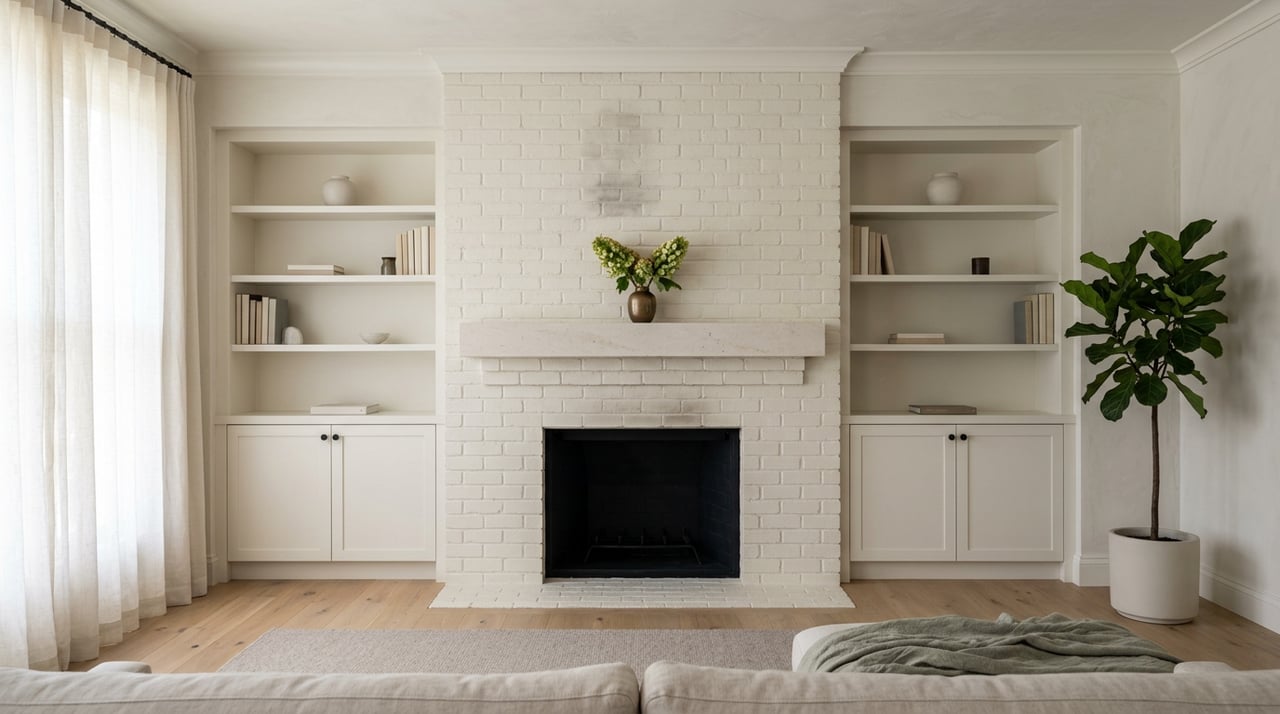
The National Association of Realtors 2025 staging snapshot found that 83% of buyers’ agents said staging made it easier for buyers to visualize a property as a future home. The most commonly staged rooms were the living room, primary bedroom, and dining room.
If you are deciding where to focus, start there. In most homes, those rooms give buyers the clearest sense of comfort, scale, and livability.
You do not need to erase personality. You just want the home to feel calm, clean, and easy to imagine living in.
Most buyers start online, so your photo strategy matters. According to a NAR article on online visibility, 52% of buyers found the home they purchased online, and 81% said listing photos were the most useful feature in their search.
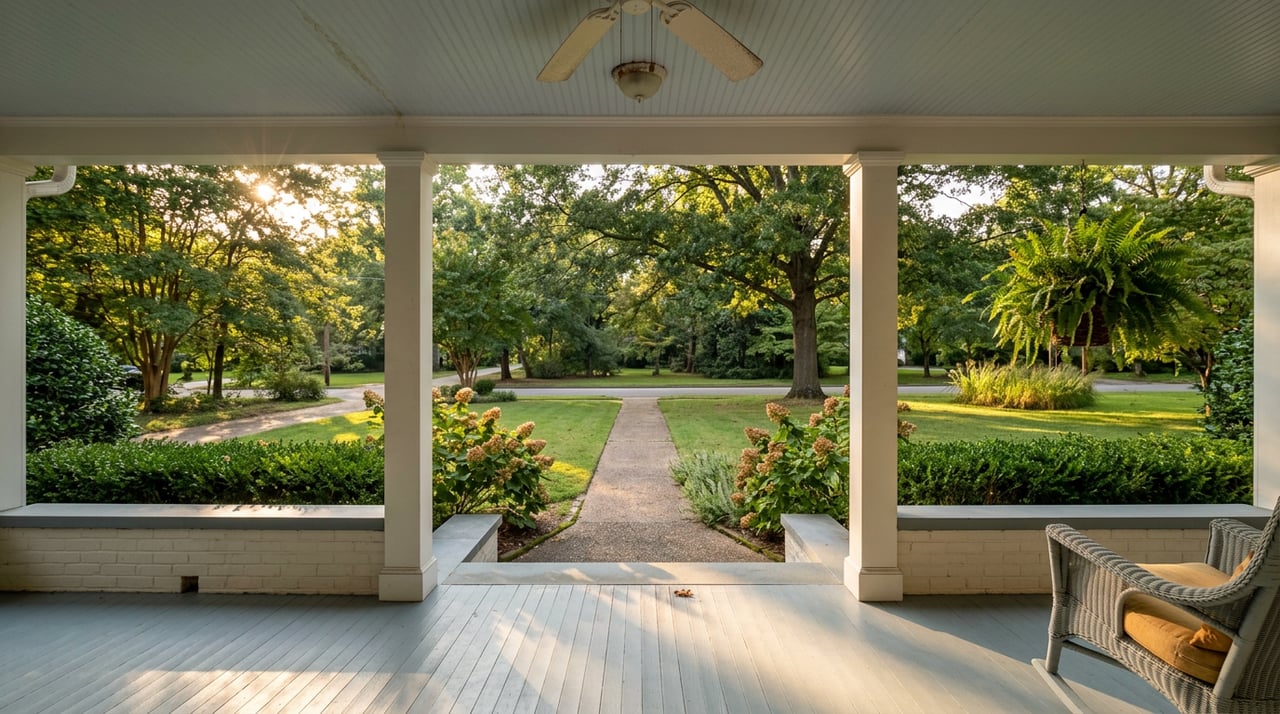
That means your first images should not be random. In Leiper’s Fork, the strongest opening sequence often leads with the property’s best lifestyle asset, whether that is the front elevation, a porch, a long rural view, a barn, pasture, or wooded setting.
Support those lead images with a full visual story:
The same NAR staging and photo guidance emphasizes that homes should look spotless, uncluttered, and well lit. In a place like Leiper’s Fork, that clarity helps buyers appreciate both the house and the land.
Many sellers assume they need a full renovation to compete. In this market, that is not always true. Based on the local context and market backdrop, targeted repairs, strong documentation, staging, and professional marketing are often more useful than a large-scale remodel.
That is especially true if updates would make the home feel less authentic to its setting. Buyers are often responding to clean presentation, maintained systems, usable land, and a home that feels true to Leiper’s Fork.
A practical pre-listing plan usually looks like this:
| Priority | Focus |
|---|---|
| First | Repair visible maintenance issues |
| Second | Organize land and system documentation |
| Third | Stage key living spaces |
| Fourth | Invest in strong photography and marketing |
| Fifth | Consider only high-impact cosmetic updates |
If upfront costs are part of your concern, strategic pre-listing improvements may still be possible without taking on every project at once.
The best Leiper’s Fork listings do not try to make a property seem like something it is not. They highlight what is real and valuable: privacy, usable land, character, condition, and connection to the setting.
That kind of storytelling matters because buyers are trying to evaluate both lifestyle and practicality. When your marketing clearly shows how the home sits on the land, how major systems have been maintained, and what details make the property distinctive, buyers can move forward with more confidence.
If you are preparing to sell, a calm, design-minded plan can help you focus your energy where it counts most. At Suzy Sells TN, you can get guidance on staging, presentation, professional photography, and strategic pre-listing improvements that help your property show at its best.
Stay up to date on the latest real estate trends.

Get assistance in determining current property value, crafting a competitive offer, writing and negotiating a contract, and much more. Contact Suzy today.

Compass RE 106 E Main St. Franklin, TN 37064