Your Guide to the College Grove TN Farm Lifestyle
June 18, 2026
June 18, 2026
If you picture life in College Grove as wide-open views and room to breathe, you are not wrong. But equestrian and farm living here is about more than pretty scenery. It is also about how the land functions, how you care for it, and how a property supports your day-to-day goals. If you are exploring acreage in this part of Williamson County, this guide will help you understand what makes the lifestyle appealing and what to evaluate before you buy. Let’s dive in.
College Grove sits within a broader part of southeastern Williamson County that is intentionally rural in character. According to the College Grove Special Area Plan, the area is shaped by planning themes like preserving small-town character, protecting open space, and addressing transportation and infrastructure needs.
That matters if you are drawn to horse properties, small farms, or homesites with more land. In simple terms, College Grove offers a lower-density setting than the county’s more built-up town centers. For many buyers, that land-oriented identity is a big part of the appeal.
In College Grove, acreage is often part of the home’s value, not just extra square footage outdoors. If you are considering a horse property or a small farm setup, the land itself may play a daily role in how you live.
That means buyers often look beyond the house first. You may be asking whether the pasture is usable, whether fencing is in place, whether there is shelter or barn space, and whether the layout supports equipment, feed storage, and regular care.
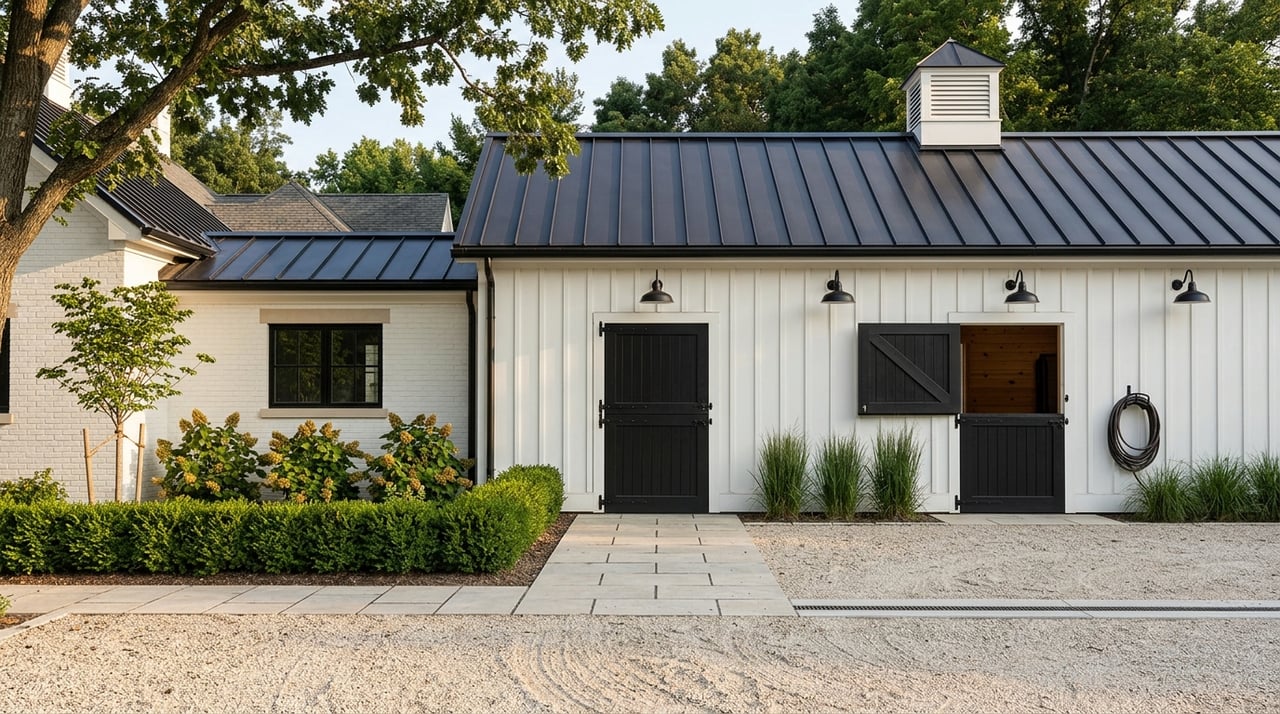
A strong equestrian property usually works well because of several practical features together. One standout barn or a beautiful entrance does not always tell the full story.
Here are some of the basics buyers often need to think through:
In other words, the best-fit property is often the one that makes daily routines easier and supports responsible stewardship over time.
Horse and farm living can feel peaceful, but it is also hands-on. University of Tennessee Extension guidance notes that well-managed pasture can provide much of a horse’s feed and offer a natural setting for exercise and rest.
That said, pasture quality depends on active management. UT Extension recommends practices like rotational grazing, using portable electric fencing when needed, avoiding overgrazing below about three inches, and removing manure regularly to help reduce parasite pressure.
This is one reason acreage living is often more about stewardship than appearance. A beautiful field still needs active care if you want it to stay healthy and functional.
If you are new to equestrian property, it helps to know that horse care changes with the animal. UT Extension notes that nutrient needs vary based on maintenance, growth, work, gestation, and lactation.
That means horses are not a passive feature you simply add to a property. The property needs to support your care routine, and your routine may change over time depending on how the animals are used.
Before you fall in love with a house, it is smart to verify how the property works. Rural homes can come with more moving parts than a typical neighborhood lot.
Start with these due-diligence topics:
Williamson County’s Planning Department oversees development in unincorporated areas, and the zoning ordinance addresses land uses, setbacks, parking, landscaping, and development review. The county also maintains a separate building-permit process, so even on acreage, changes like barns or additions still need to fit local rules.
One of the most common mistakes buyers make is assuming acreage means complete flexibility. In reality, a larger parcel still comes with county oversight.
If you are thinking about adding a barn, expanding an existing structure, or changing how the land is used, confirm the rules early. This can help you avoid surprises and make sure the property truly fits your plans.
For many acreage buyers, Greenbelt is one of the most important financial topics to understand. Williamson County says qualifying agricultural, forest, and open-space land may be taxed on present use instead of market value.
For agricultural land, the county states that a parcel generally needs at least 15 acres and actual farm use. The county also notes that a 10-acre noncontiguous parcel can qualify when paired with an already qualified 15-acre parcel under the same farm unit.
The county lists a 3-acre minimum for open-space land and a 15-acre minimum for forest land. The application deadline is March 15, and rollback assessments can apply if land stops qualifying.
This is one of those details that can affect your long-term ownership costs. If Greenbelt matters to your budget, it is worth verifying a property’s status and understanding what would be required to keep it eligible.
Water and septic are just as important as the home itself when you are buying rural property. Tennessee notes that about 10 percent of households rely on a private water supply, usually a well or spring.
The state also says private drinking-water quality is not regulated, even though well construction is. It recommends annual pathogen testing and chemical testing at least every other year, and licensed professionals must handle well drilling, pump installation, and treatment-device installation.
Williamson County also regulates onsite sewage disposal systems. For buyers, that means it is wise to verify the water source and septic setup early in the process rather than later in due diligence.
What makes College Grove special is that the setting supports a very specific kind of homeownership. You are not just buying a house. You may be buying pasture management, fencing decisions, barn upkeep, water system questions, and long-term land planning along with it.
For the right buyer, that is exactly the draw. The rural character, open space, and slower visual pace can create a lifestyle that feels grounded and intentional.
If College Grove’s equestrian and farm lifestyle speaks to you, it helps to shop with both imagination and practicality. It is easy to fall for a beautiful view, but the best purchase is usually the property that supports how you actually want to live.
As you compare homes, think about whether the land is functional, whether the improvements are workable, and whether the property aligns with county requirements. A calm, informed approach can help you choose a place that feels just as good in daily life as it does on first impression.
If you are considering buying or selling in College Grove, Suzy Sells TN offers thoughtful, local guidance to help you evaluate the details that matter and move forward with confidence.
Stay up to date on the latest real estate trends.
Get assistance in determining current property value, crafting a competitive offer, writing and negotiating a contract, and much more. Contact Suzy today.
Compass RE 106 E Main St. Franklin, TN 37064