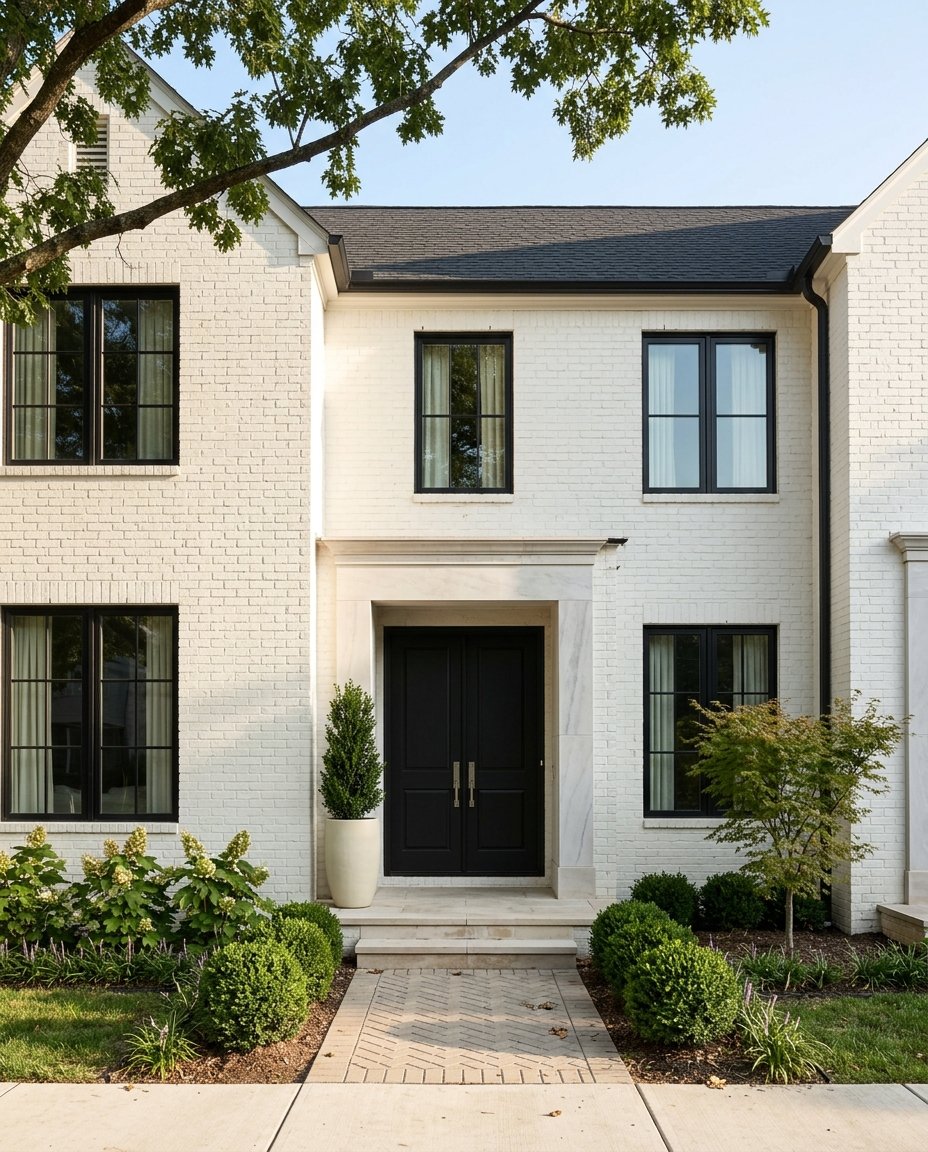
Green Hills Nashville Home Styles by Micro-Location
June 25, 2026
June 25, 2026
If you have ever looked at two homes in Green Hills and wondered why they feel so different despite being only a few blocks apart, you are not imagining it. Green Hills is one of those Nashville areas where the street itself can shape the experience just as much as the house. When you understand the main home styles and the micro-locations that define them, you can shop or sell with a lot more confidence. Let’s dive in.
Green Hills does not have a single fixed legal boundary. Metro Nashville says there is no definitive map of neighborhood boundaries, which helps explain why people often use the name a little differently depending on the block or pocket they mean.
That flexibility matters because Green Hills is shaped by more than one identity. You have a well-known retail core around Hillsboro Pike and Abbott Martin Road, quieter interior residential streets, and a more private southern stretch along Hillsboro Pike south of Harding Place.
Metro’s planning framework adds another layer. The Green Hills-Midtown community plan was updated in 2017, and Metro says this community area has nine Urban Design Overlays, the most of any of its fourteen community areas. In plain terms, design rules, frontage, and streetscape can influence how one block looks and feels compared with the next.
The retail core is the part many people know first. The Mall at Green Hills is located at 2126 Abbott Martin Road and includes more than 125 stores and restaurants, while Hill Center Green Hills serves as another major shopping, dining, and office destination.
This area is convenient, active, and easy to recognize. It also tends to feel busier because Metro transportation materials describe Green Hills as an automobile-oriented destination with significant traffic congestion and a pattern of individual properties with separate driveways and parking areas along major commercial streets.
If you want to be close to shopping, dining, and everyday errands, this part of Green Hills may appeal to you. If you prefer a quieter street feel, you will likely notice a meaningful difference once you move a few blocks away from the main commercial spine.
For many buyers, the most charming homes in Green Hills are found in its older residential pockets. Recent Metro planning materials for the proposed Green Hills East Neighborhood Conservation Overlay describe development in that area beginning in 1925, with a period of significance from 1927 to 1960.
The home styles identified there include bungalows, English cottages, Minimal Traditional homes, Colonial Revival, Tudor Revival, and ranch homes. These are usually one-story or one-and-one-half-story homes with brick or stone cladding, which gives many streets a grounded, established look.
This is the clearest official description of Green Hills’ older detached-home character. If you are drawn to original architecture, mature trees, and a neighborhood feel that has evolved over decades, this is an important part of the market to understand.
Not every Green Hills home fits the classic cottage or ranch image. Near the commercial corridor and transition areas, newer housing is more likely to appear as townhouses, stacked flats, walk-up apartments, and condos.
Metro planning materials for Green Hills-Midtown note that attached townhomes and walk-up apartment forms are common multifamily types in these areas. The community plan also points to more recent development that includes for-rent stacked flats and owner-occupied condos.
For buyers who want a newer property or a more low-maintenance lifestyle, these transition locations often stand out. They can offer a different daily experience from the older interior streets, even when the distance is small.
At the quieter end of the spectrum, Green Hills also includes a more estate-like setting. Metro’s Green Hills-Midtown plan says the Hillsboro Pike corridor south of Harding Place should preserve its quasi-rural estate character.
That phrase is especially helpful because it points to the features many buyers are looking for in this part of the market. Think stately homes, generous setbacks, viewsheds, and abundant trees and landscaping.
If your goal is privacy, a larger-lot feel, and a more tucked-away setting, this southern corridor represents a very different Green Hills experience. It is still Green Hills, but the rhythm and visual character can feel much calmer and more spacious.
The easiest way to understand Green Hills is to think in micro-locations, not just one neighborhood label. A few key pockets shape most buyer impressions.
Metro’s original Green Hills Urban Design Overlay footprint includes streets such as Hillsboro Circle, Bandywood Drive, Hillsboro Drive, Hobbs Road, Warfield Drive, Hillsboro Pike, Abbott Martin Road, and Richard Jones Road. The purpose was to support an urban-village atmosphere.
Because the overlay can regulate building placement, height, density, materials, streetscape, parking, landscaping, and signage, these blocks often feel more urban and more intentionally managed from a design standpoint. For some buyers, that means convenience and energy. For others, it means more activity than they want right outside the door.
Recent Metro planning materials for Green Hills East focus on Bonner Avenue, Burton Avenue, Eden Avenue, Green Hills Drive, and Observatory Drive. These streets are described as an established residential fabric with one- and two-story homes, original lot and block patterns, and limited street connectivity.
That limited connectivity is part of why the area reads as quieter and more residential. Metro also notes that many streets in this study area are local streets and, in many cases, were built without sidewalks.
This pocket is often the best place to start if you are looking for older detached homes, mature trees, and a more settled neighborhood pattern. The street-by-street feel matters here.
South of Harding Place along Hillsboro Pike, the official planning language shifts toward preservation of a quasi-rural estate character. That makes this area the strongest fit for buyers who value deeper setbacks, stronger landscape presence, and a more private feel.
Homes here can deliver a very different impression from the retail-adjacent core. Even if the drive is short, the atmosphere can feel more removed from the commercial center.
Where residential streets meet the corridor, you are more likely to see newer product types. In practical terms, these transition blocks often include townhomes, stacked flats, condos, and other lower-maintenance housing forms.
These locations can work well if you want easier upkeep or a newer build style. They are also a reminder that Green Hills is not one uniform housing market.
In Green Hills, price changes often come down to factors you can see right away. According to Metro planning context in the area, the biggest drivers include proximity to the retail spine, home age and architectural character, lot width and setback, tree cover and street feel, and whether a property sits in a corridor-oriented overlay or a more preservation-sensitive residential pocket.
Traffic and access conditions also matter. Metro’s transportation plan shows why blocks near Hillsboro Pike can function differently from interior streets, which can shape buyer demand and how a home is perceived day to day.
This is why two homes with similar square footage can live so differently in the market. In Green Hills, location is not just about the neighborhood name. It is about the exact block, the surrounding street pattern, and the character of the immediate pocket.
If you want a practical shortcut, Green Hills can be understood through three buyer experiences. The first is retail-adjacent convenience, the second is historic-residential quiet, and the third is estate-like privacy.
That framework helps explain why one buyer may fall in love with a walkable-to-errands location, while another wants an older detached home on a quieter interior street. It also helps sellers position their home more clearly by focusing on the experience their micro-location actually offers.
When you view Green Hills through that lens, the neighborhood becomes much easier to understand. You stop comparing every home to every other home and start comparing each property to the right pocket and lifestyle fit.
If you are buying or selling in Green Hills, that kind of block-by-block read can make a big difference. Suzy Sells TN brings a calm, design-minded approach to helping you understand how location, presentation, and market positioning work together.
Stay up to date on the latest real estate trends.
Get assistance in determining current property value, crafting a competitive offer, writing and negotiating a contract, and much more. Contact Suzy today.
Compass RE 106 E Main St. Franklin, TN 37064