Nashville In-Town vs Suburbs: Finding the Right Fit
July 9, 2026
July 9, 2026
If you are choosing between luxury living in Nashville and the suburbs to the south, you are probably weighing more than price alone. You may want an easier drive, more outdoor space, a quieter setting, or a home that feels closer to the center of your daily life. In this market, the real decision usually comes down to what matters most to you: centrality, character, or land. Let’s dive in.
In-town Nashville luxury and suburban luxury often serve different priorities. In Davidson County, the residential pattern is more urban, with 745,884 residents and about 1,421.3 people per square mile. Williamson County is less dense, with 272,061 residents and about 425.0 people per square mile.
That gap helps explain why luxury homes closer to Nashville’s core often come with smaller lots and more central access, while suburban luxury homes often offer more land, setbacks, and privacy. Davidson County also has a mean commute of 24.7 minutes, compared with 27.9 minutes in Williamson County. The difference is not extreme on paper, but the lifestyle feel can be very different.
For many buyers, Green Hills represents the clearest version of in-town Nashville luxury. The neighborhood combines a central location with a market that remains firmly in the luxury category. Over the last three months ending May 2026, Green Hills posted a median sale price of $1.25 million, with homes averaging about 62 days on market.
The built environment also shapes what you are likely to find there. Metro Nashville’s planning department notes that Green Hills and Midtown are guided by the Community Character Manual and include 9 Urban Design Overlays plus 2 Institutional Overlays, the most of any Metro community. Metro zoning also includes smaller-lot residential districts such as RS3.75, RS5, RS7.5, and RS10.
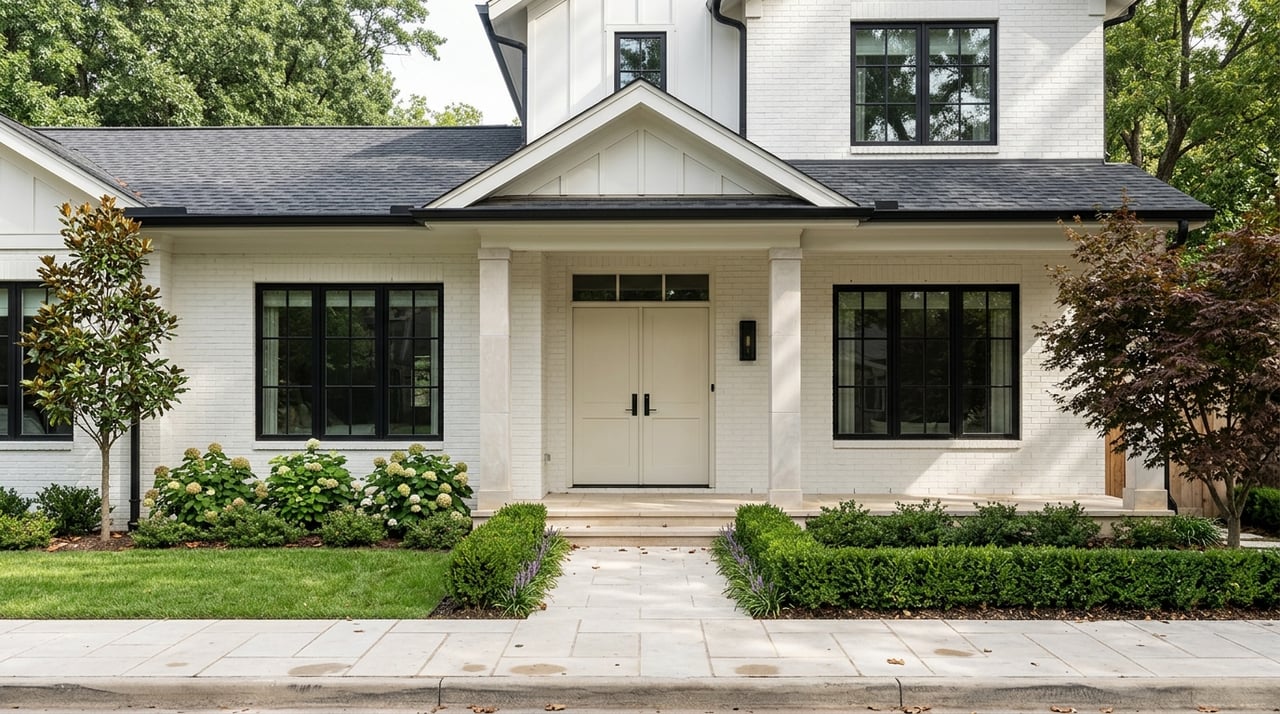
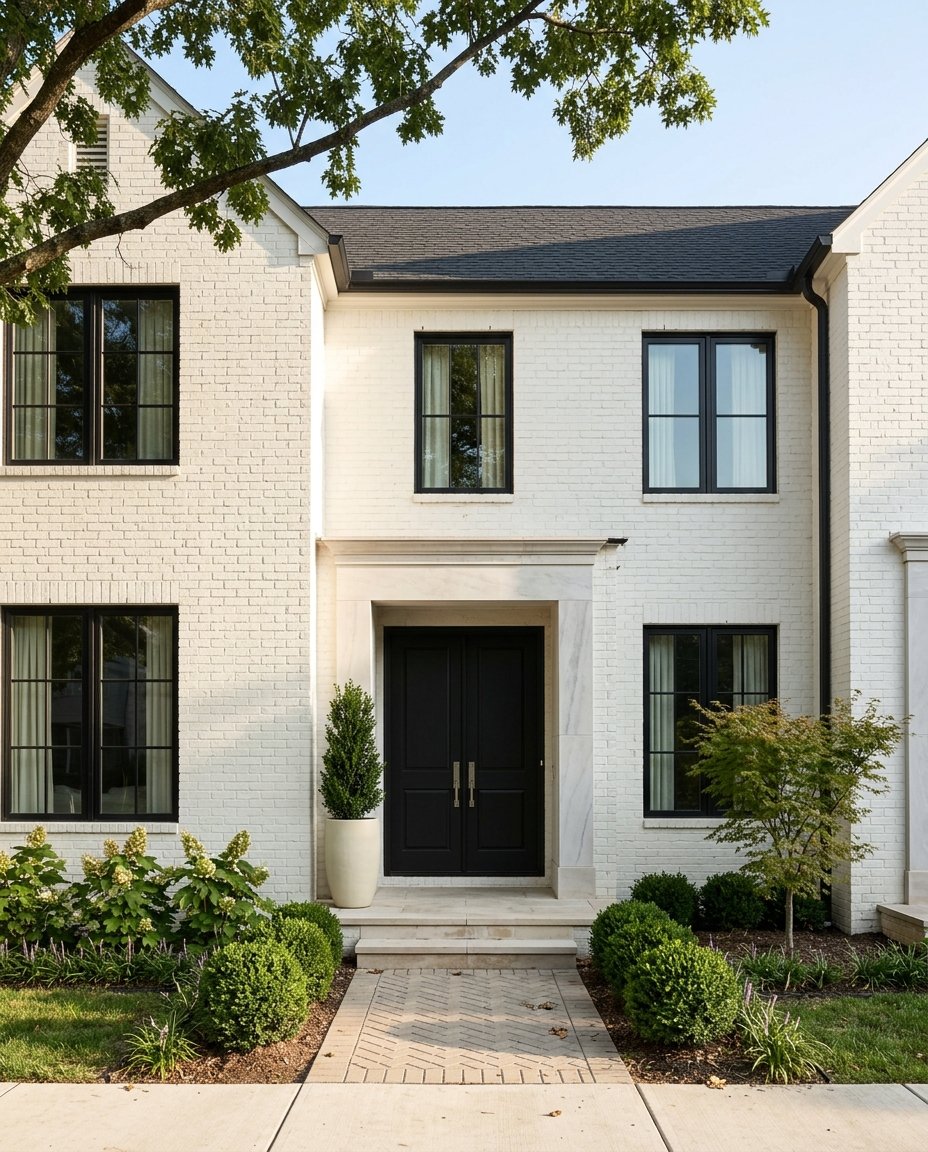
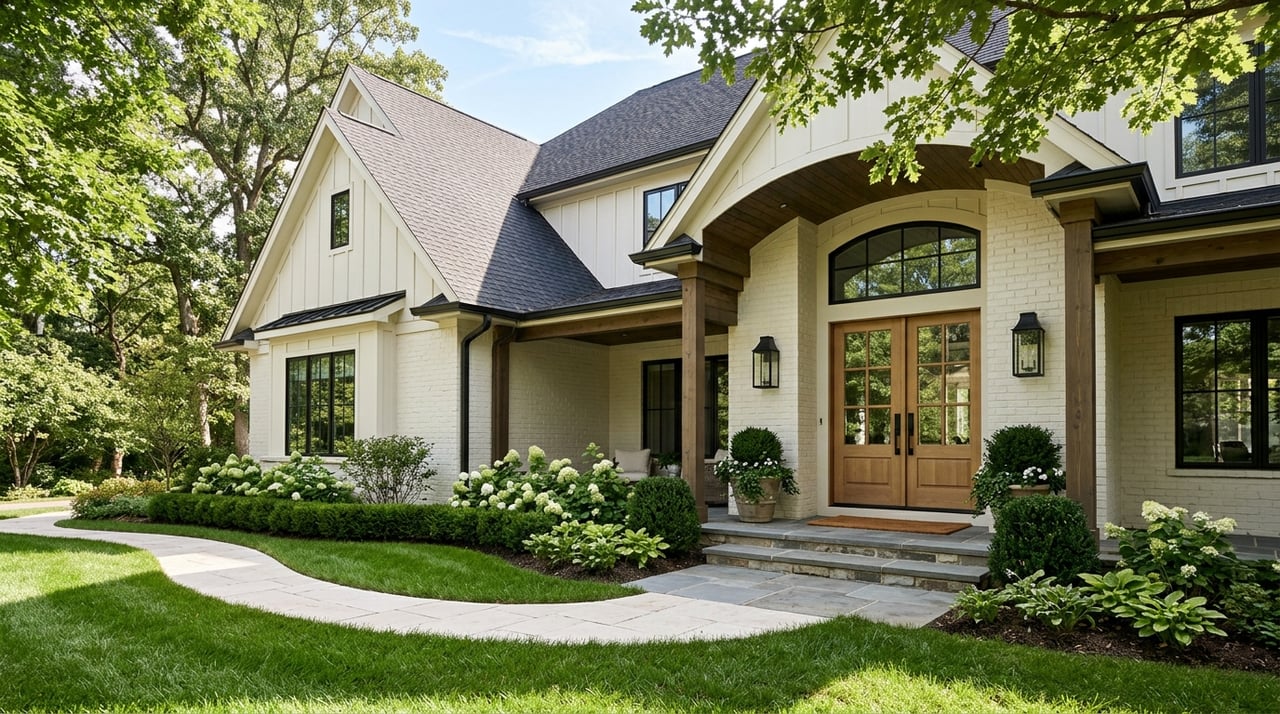
In practical terms, that often means in-town luxury looks like renovated older homes, updated cottages, infill construction, or homes on smaller footprints rather than estate-scale parcels. If you want easier access to the city and less land to maintain, Green Hills may feel like a strong fit. If privacy and acreage are high on your list, you may feel pulled toward the suburbs.
South of Nashville, the luxury conversation usually centers on Brentwood, Franklin, and College Grove. Each offers a different version of suburban living, and each attracts buyers for different reasons.
What they share is a general trade-off: you are often giving up some centrality in exchange for more space and a more expansive residential setting. The details, though, vary quite a bit from one market to the next.
Brentwood is often the classic suburban luxury choice. The city’s planning framework is built around a one-acre density standard, and its residential districts include AR at 3 acres, R-1 at 2 acres, and R-2 at 1 acre. There are also OSRD districts, which allow smaller individual lots when open space is preserved.
That structure supports the kind of housing many luxury buyers picture when they think of suburban Middle Tennessee. Over the last three months ending May 2026, Brentwood’s median sale price was $1.44 million, and homes averaged about 57 days on market. The city also has a median household income of $182,088 and an owner-occupied housing rate of 90.4%.
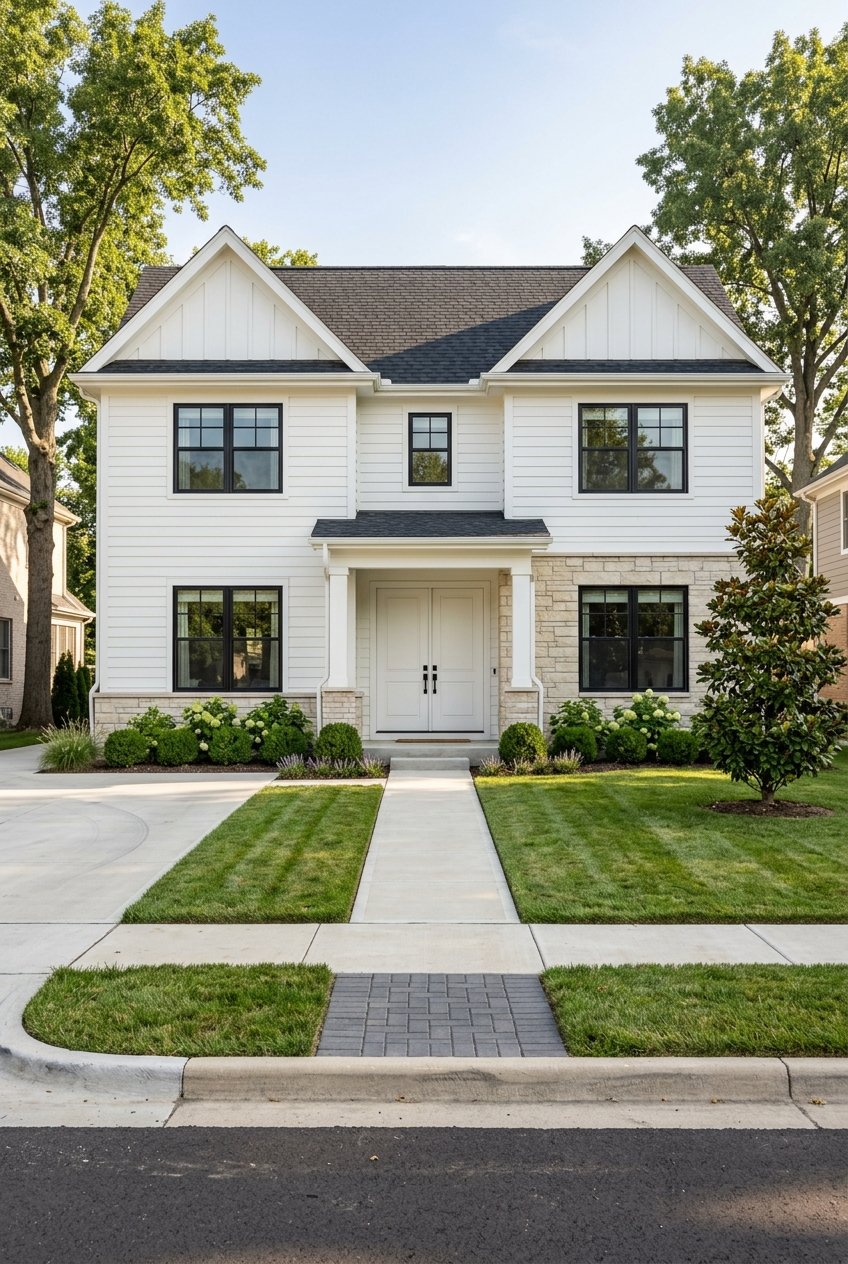
If you are looking for polished suburban living with more room around the home, Brentwood often checks that box. It can be especially appealing if you want a more residential setting without going as far out as some other luxury options.
Franklin offers more variation than Brentwood. Its zoning includes an R1 district with a 30,000-square-foot minimum lot size and an R3 district with a 9,000-square-foot minimum lot size. That means Franklin includes both larger-lot living and more compact residential patterns.
From a market standpoint, Franklin’s citywide median sale price was $849,492 over the last three months ending May 2026, with homes averaging about 52 days on market. That citywide number reflects a broad range of homes and price points, including luxury pockets within a larger market. Franklin’s median household income is $119,528, and its mean commute is 23.9 minutes.
For buyers, Franklin can feel like the most flexible option in this comparison. You may find a wider mix of home styles, neighborhood layouts, and lot sizes, which can make it easier to match your budget and lifestyle priorities.
If your idea of luxury includes a more rural feel, College Grove stands apart. Williamson County treats it as a special area plan village, and county planning describes these plans as tools for communities with a broader mix of uses, compact development patterns, historic significance, limited infrastructure, and growth pressure. The College Grove plan is intended to preserve rural charm and keep development compatible with the village’s historic pattern.
The housing market reflects that different identity. In the 37046 ZIP code, the median sale price was $1,519,888, with homes averaging about 80 days on market. That slower pace is consistent with a market that often leans more custom and land-oriented.
If you want acreage, a quieter setting, and a more estate-style experience, College Grove may be the strongest fit of the group. It is often less about convenience and more about space, privacy, and long-term lifestyle.
When buyers compare in-town Nashville luxury versus the suburbs, they are usually deciding between a few very practical trade-offs. The best choice is rarely about one area being better than another. It is about which daily experience feels right for you.
This is often the biggest dividing line. Green Hills tends to emphasize centrality and a more urban residential fabric, while Brentwood, Franklin, and College Grove generally offer more room around the home. As you move farther out, you are more likely to gain land, setbacks, and privacy.
If you want a home base that keeps you closer to the center of Nashville, in-town luxury may make more sense. If outdoor space and breathing room matter more, the suburbs may offer a better match.
Zoning helps explain the feel of each market. Metro Nashville includes small-lot residential districts, Brentwood centers around one-acre-and-up residential density, Franklin spans both larger-lot and more compact patterns, and College Grove’s planning approach is tied closely to preserving rural character.
That matters because your luxury experience is shaped not just by the home itself, but by the land around it and the pattern of the surrounding area. Two homes at similar price points can offer very different lifestyles depending on where they sit.
For relocation buyers, school structure can be part of the decision-making process. Metro Nashville Public Schools serves about 81,000 students across 160 schools. Williamson County Schools serves about 42,000 students across 52 schools, and Franklin Special School District serves pre-K through 8 in eight schools before students transition to Williamson County high schools.
This does not make one option universally better. It simply means the in-town versus suburban decision can also affect which public school system structure applies to your home search.
The average commute numbers are closer than many buyers expect. Davidson County averages 24.7 minutes, Williamson County 27.9 minutes, Brentwood 25.7 minutes, and Franklin 23.9 minutes. In daily life, the bigger question is often whether you want a more centralized route to work and amenities or are comfortable with a south-county pattern that usually comes with more land.
That is why commute is not just about the number of minutes. It is also about how you want your week to feel.
If you want a shorthand view of these luxury markets, here is a practical way to think about them:
If your top priority is being closer to the center of Nashville, Green Hills may be the clearest answer. If you want a refined suburban setting with more land and a polished residential feel, Brentwood often rises to the top. If you want flexibility and a broader range of choices, Franklin may give you the most options. If you want a more rural luxury lifestyle, College Grove may align best.
In my experience, the right move starts with how you want to live day to day. The home matters, but so do the lot, the setting, the commute pattern, and the overall rhythm of the area. When you get clear on those priorities, the right market usually becomes much easier to spot.
If you are comparing Green Hills, Brentwood, Franklin, or College Grove and want calm, local guidance, Suzy Sells TN can help you narrow your options and find the luxury lifestyle that fits you best.
Stay up to date on the latest real estate trends.
Get assistance in determining current property value, crafting a competitive offer, writing and negotiating a contract, and much more. Contact Suzy today.
Compass RE 106 E Main St. Franklin, TN 37064